Song Meaning
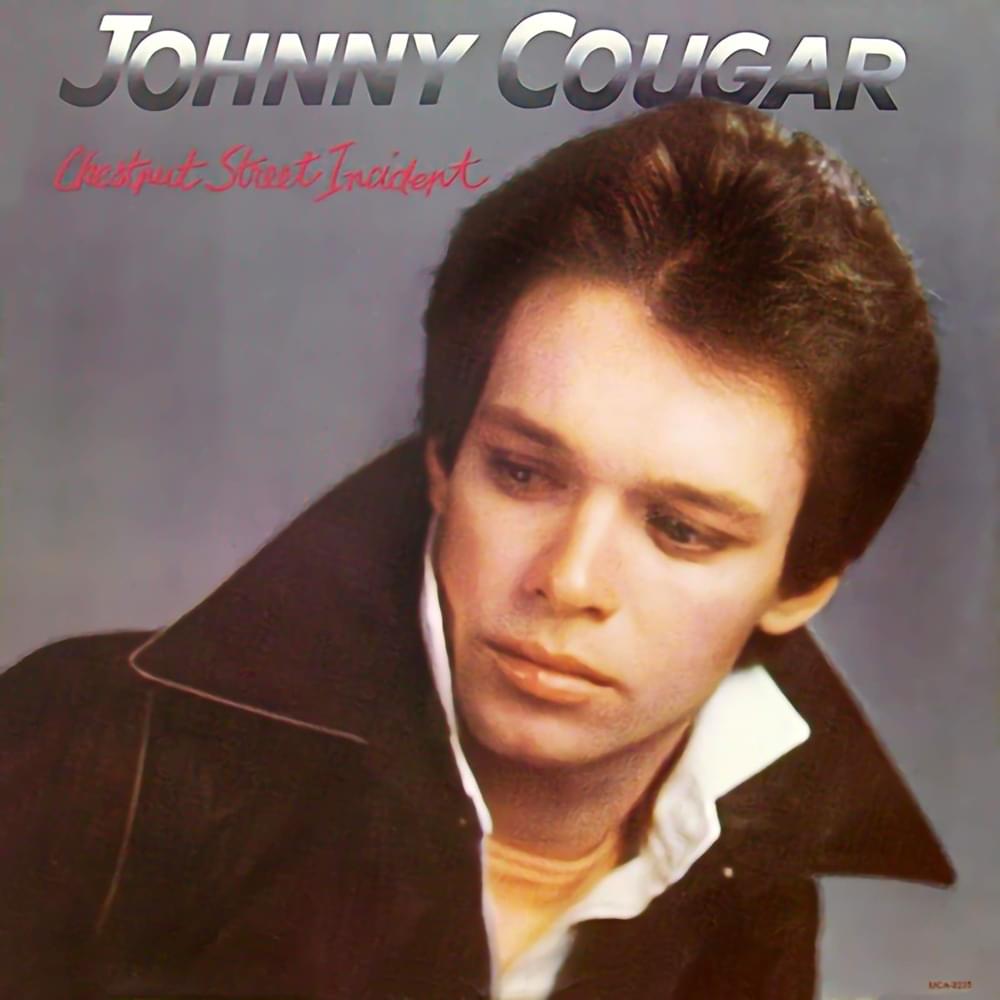
John Mellencamp's "Sad Lady" isn't just a character study; it's a raw, empathetic plunge into the depths of female pain and societal expectation. The song's cyclical structure, mirroring the repetitive nature of depression itself, traps the listener in the lady's sorrow. Mellencamp avoids simple pity, instead portraying a woman wrestling with internal demons and the external pressures that amplify them. The repeated question, "Do you curse your name?" suggests a crisis of identity, a questioning of inherent worth in a world that often devalues female experience. The "crazy lady" descriptor, while potentially loaded, hints at the way women are often dismissed when they dare to express profound emotional distress.
The lyrics subtly critique the impossible bind women face. She's damned if she shows emotion ("letting your emotions show") and equally damned if she doesn't. The line, "It's hard being a woman knowing what you know," is particularly poignant, implying a burden of awareness, a consciousness of systemic injustice and personal limitations. The futility of her actions ("Ain't no use in your screaming, pulling on your hair") underscores a sense of powerlessness, a feeling that her cries are unheard, her struggles unseen. This isn't just personal sadness; it's a sorrow rooted in societal structures.
The chorus, with its ambiguous "If you should get to know / Sad lady, say maybe," offers a glimmer of hope, albeit a fragile one. "Say maybe" suggests the possibility of connection, of understanding, of finding a way out of the despair. But the repeated question also emphasizes the difficulty of truly knowing another person's pain. The closing lines, "Hey, tell me what you're thinking / As you lace up white shoes," are unsettlingly ambiguous. The "white shoes" could symbolize innocence, a desire for purity, or even a more sinister escape. Ultimately, "Sad Lady" leaves us not with answers, but with a lingering sense of unease and a challenge to confront the sources of female suffering.
 View Artist