Song Meaning
John Mellencamp's "Last Chance" isn't just a song; it's a stark, unflinching portrait of resignation. The bleak December setting immediately establishes a mood of isolation and decay, a fitting backdrop for a man seemingly paralyzed by regret. The repeated line, "I'm still here alone," isn't merely a statement of fact, but an admission of defeat. There's a sense of being trapped, not by external forces, but by an internal inertia, a self-imposed exile. The window becomes a metaphorical barrier, separating him from a world he feels he no longer belongs to. The phrase "I surrender" is especially poignant, suggesting a complete relinquishment of hope or agency. This isn't a battle being fought; it's one already lost.
The song's core meaning lies in the insistent, almost desperate repetition of the chorus: "Last chance to get up / Last chance to go." This isn't an anthem of empowerment, but a haunting reminder of opportunities squandered. It's a self-admonishment, a nagging internal voice urging action, even as the speaker remains rooted in place. The hypothetical longing for connection ("If there were someone, I'd hold her / If there was love, I'd let it take me away") highlights the profound absence in his life. It's not simply the lack of a partner, but the absence of love itself, both given and received. This void fuels the inertia, creating a vicious cycle of isolation and despair.
Mellencamp's lyrical analysis takes an even darker turn in the third verse. The declaration, "I feel nothing / I feel no pain / I feel no joy nor hurt inside," speaks to a profound emotional numbness, a state often associated with severe depression or trauma. This isn't stoicism; it's emotional shutdown. The acceptance of responsibility ("I only have myself to blame") is a double-edged sword. While it acknowledges agency, it also reinforces the sense of hopelessness. The final lines, "If I see that the world's passed me by," confirm the speaker's fear of being left behind, a spectator in his own life, forever trapped in the cold, lonely December of his soul. The repetitive structure of “Last Chance” amplifies the cyclical nature of depression, as if the narrator is doomed to repeat this pattern indefinitely.
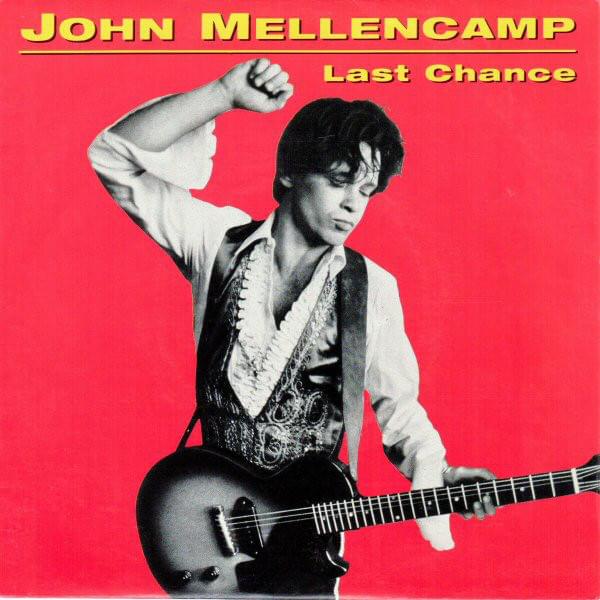
 View Artist