Song Meaning
The narrator grapples with a profound sense of regret and a sudden, overwhelming fear of mortality. The lyrics paint a picture of a sleepless night filled with unspoken words and a dawning realization of life's fragility. There's a desperate wish to rewind time, to correct past oversights and express the depth of their feelings before it's too late. The core of the anxiety lies in the possibility of not returning home, leaving behind a love that might go unacknowledged.
The central tension revolves around the fear of an unexpressed life and love. The narrator's plea, "If I don't get home, Would you know how I feel?" highlights a deep-seated insecurity about their impact and the permanence of their affection. This isn't just about physical absence; it's about the potential erasure of their emotional truth, a fear amplified by the memory of a seemingly ordinary goodbye that now feels ominous. The phrase "strangest feeling" suggests a premonition that colors the mundane act of departure.
The most striking craft element is the stark contrast between the ordinary setting – a room, a runway, a flight – and the extraordinary, existential dread that permeates the narrative. The repeated question, "Would you know my love's for real?" acts as a desperate refrain, underscoring the narrator's fear that their true feelings might be lost if they don't make it back. This simple, direct questioning amplifies the emotional stakes, making the abstract fear of death intensely personal and relational.
Ultimately, these lyrics resonate because they tap into a universal human anxiety: the fear of leaving things unsaid and the worry that our deepest emotions might be misunderstood or forgotten. The narrator's vulnerability, laid bare through the direct address and the haunting refrain, forces the listener to confront their own unspoken regrets and the preciousness of every moment. The writing effectively uses the looming threat of not returning home to amplify the importance of present connection and honest expression.
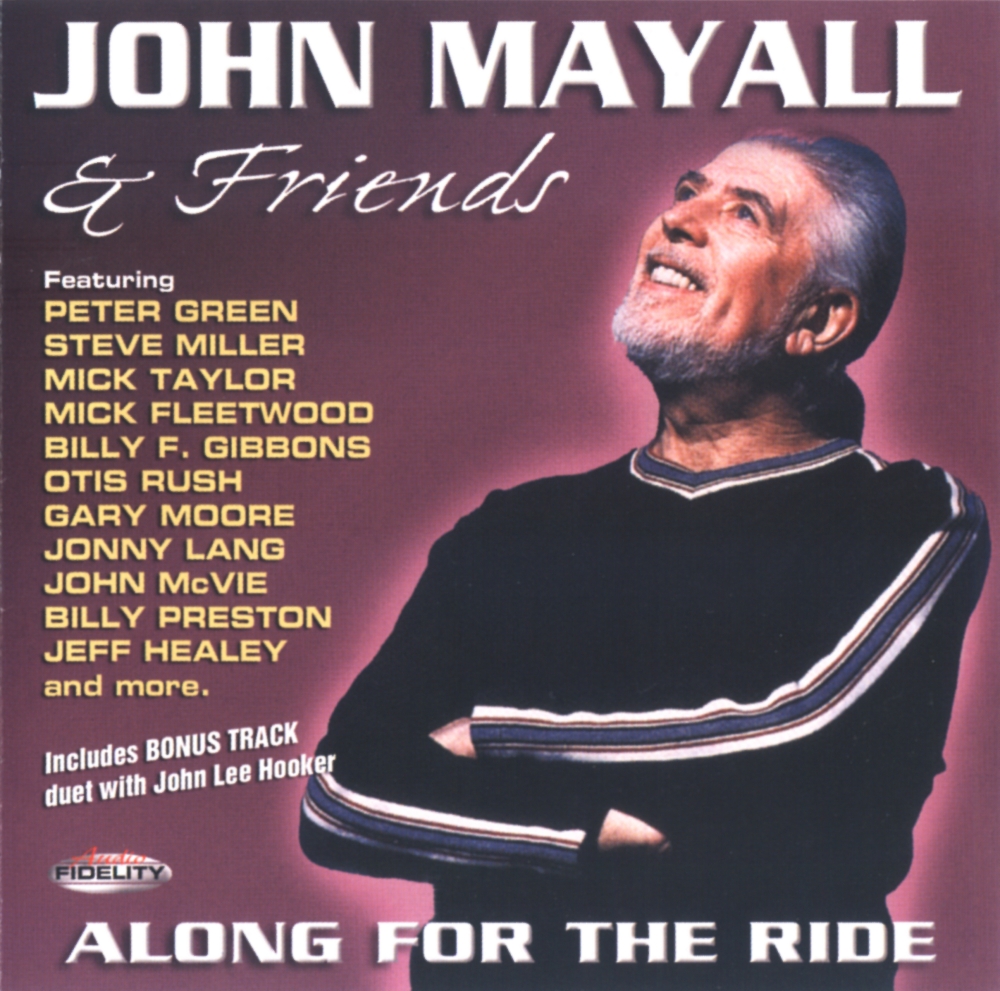
 View Artist