Song Meaning
The lyrics paint a vivid picture of a love that blossomed in autumn, described with the warm hues of "red and gold." The narrator recalls a specific journey, moving from the city to a harbor, to a place where their beloved "bloomed" like a flower. This initial phase of the relationship is characterized by tenderness and shared smiles, suggesting a pure and nascent connection.
However, a stark contrast emerges as the narrator reflects on the fragility of this love. The initial peace of planning for the future is overshadowed by an inability to foresee the relationship's demise. The metaphor shifts from a blooming flower to a "leaf that had fallen from a tree," signifying a natural but inevitable decline. The arrival of winter and gathering storms directly correlates with the change in the relationship's colors, marking its end.
The core of the song lies in the painful aftermath of this lost love. The narrator is left with only a "memory" and a lingering question, "where did you go, my love." This sense of absence and unresolved grief is palpable. The concluding lines, "Don't pick a flower unless you're sure / That no one can be so wise as to know loves rights and wrongs," serve as a poignant, albeit belated, piece of advice. It suggests a regret for not understanding the inherent risks and complexities of love, implying that perhaps the relationship was doomed from the start due to a lack of foresight or an inability to navigate its challenges.
This lyrical narrative is effective because it grounds its emotional weight in concrete, seasonal imagery. The transition from the vibrant, warm colors of fall to the harshness of winter mirrors the relationship's arc from blossoming affection to eventual loss. The shift in metaphors from a flower to a fallen leaf further emphasizes the natural, yet sorrowful, progression of decay. The final lines, delivered with the wisdom of hindsight, resonate with a universal theme of regret and the often-unforeseen consequences of love and commitment.
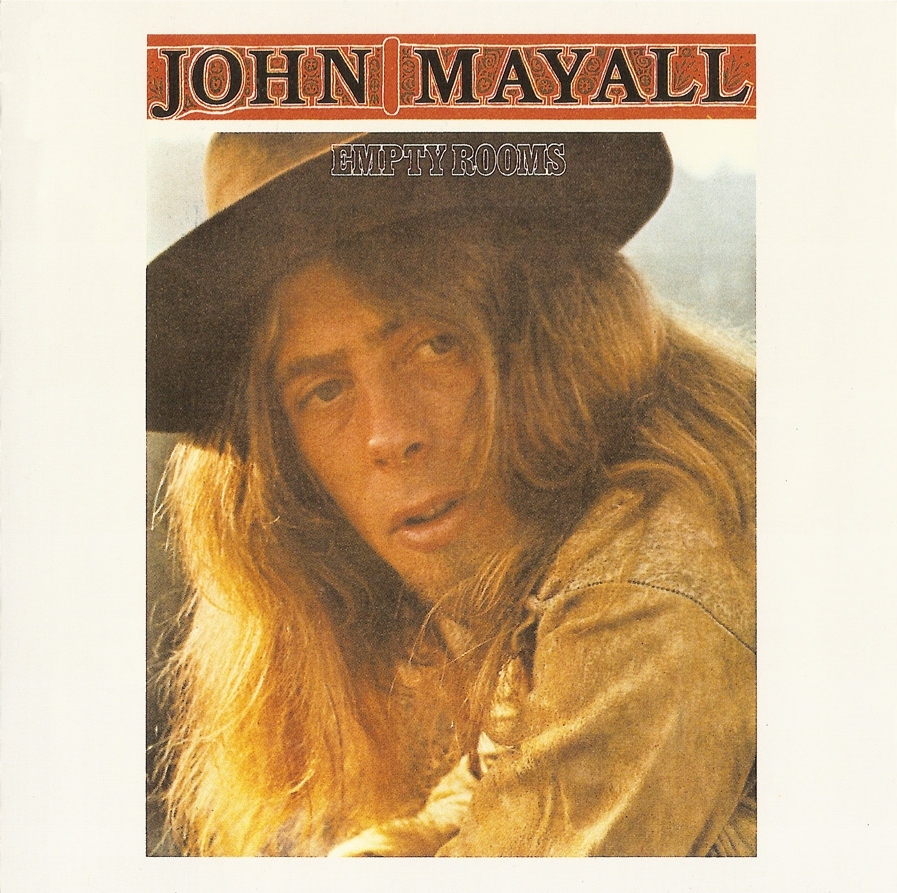
 View Artist