Song Meaning
The narrator paints a stark picture of a life defined by self-inflicted hardship and a pervasive sense of doom. There's an immediate resignation, a feeling that opportunities have been squandered, leaving the speaker adrift. The opening lines, "I let a life slip through my fingers," immediately establish a tone of regret and lost potential, setting the stage for the cyclical nature of their struggles. The narrator acknowledges their role in this downward spiral, confessing, "I'm the causing of the trouble / That makes my heart burn."
The central tension lies in the narrator's fatalistic acceptance of their circumstances. They repeatedly declare, "You know I was born for trouble / And it's a hard road till I die." This isn't just bad luck; it's presented as an inherent part of their identity. The lyrics suggest a deep-seated belief that hardship is their destiny, a predetermined path from which there is no escape. This conviction fuels the emotional weight of the song, making the narrator's plight feel inescapable.
The most striking aspect of the craft is the consistent, almost ritualistic repetition of the chorus, hammering home the narrator's core belief. The imagery of packing a suitcase with "misery inside" and "pain and trouble" is particularly potent. It transforms abstract suffering into tangible items, suggesting that the narrator is not just experiencing these things but actively carrying them, choosing to ride this difficult path. This deliberate framing of their burdens as possessions highlights a complex relationship with their own pain.
Ultimately, the effectiveness of these lyrics stems from their unflinching honesty and the raw, unvarnished portrayal of a life steeped in regret and predetermined struggle. The narrator's direct address to "you people" creates a sense of shared experience, even as they articulate a uniquely bleak outlook. The simple, declarative statements about being "born for trouble" resonate because they articulate a feeling of being trapped by one's own nature, a sentiment that, while specific, taps into a universal human fear of self-destruction.
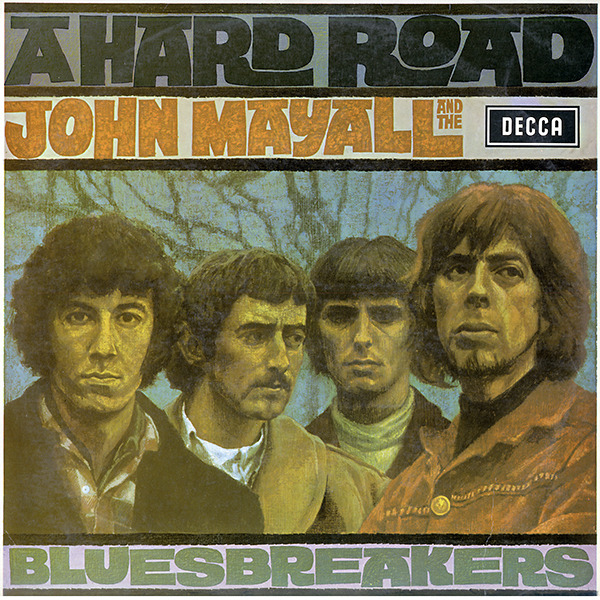
 View Artist