Song Meaning
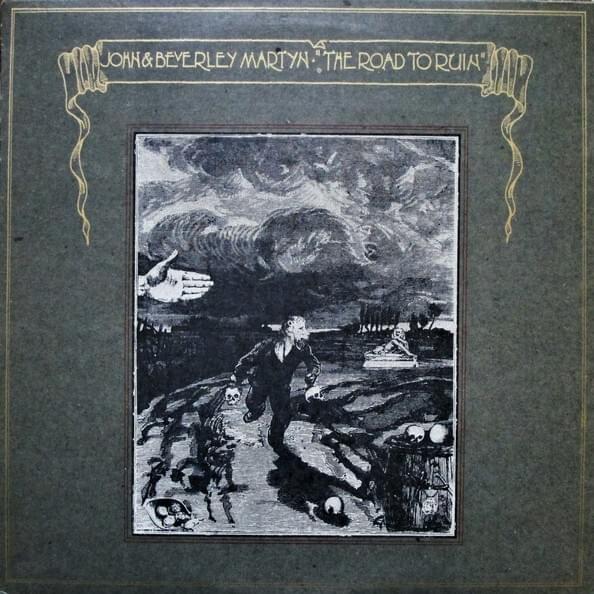
The narrator paints a picture of a strangely serene, almost idyllic day, marked by a "red sun" and "blue sky." Yet, this peaceful imagery is immediately undercut by the declaration of "rowing on the road to ruin." This juxtaposition sets up a core tension: the outward appearance of normalcy or even beauty masking an internal descent or destructive path. The repeated question, "How do you make a day like that?" feels less like genuine inquiry and more like a bewildered acknowledgment of this internal dissonance. It’s a day that shouldn’t exist, a perfect facade for a crumbling reality.
The lyrics present a peculiar form of self-destruction, described as "raving down the crazy paving" while geese make their "evening sound." This isn't a chaotic, explosive downfall, but a more insidious, almost mundane progression. The "crazy paving" suggests a path that is uneven and perhaps nonsensical, a fitting metaphor for a life steering itself toward ruin. The narrator seems to be actively participating in this descent, yet simultaneously questioning its very possibility, highlighting a disconnect between action and comprehension.
The third verse introduces a new layer with "every day is just a joy to hold / The needle is new and the patterns are old." This suggests a cyclical, perhaps addictive, behavior where novelty is embraced, but the underlying structure or consequences remain familiar and destructive. The "needle" could imply a drug or a repetitive, harmful habit, while the "patterns are old" points to a history of these choices. The shift from "make it real" to "make it feel" in the final question hints at a deeper existential yearning, a desire to connect with authentic emotion even amidst self-inflicted damage.
 View Artist