Song Meaning
The lyrics paint a stark picture of a love that's been irrevocably hardened. The central image is a "heart of stone" that the narrator claims was "made" by their partner, suggesting a deliberate act of emotional fortification. This transformation from a heart once "full of love" to one that "stone it will always be" speaks to a profound sense of betrayal and the painful consequences of a relationship gone wrong. The narrator feels their capacity for love has been destroyed, leaving them with an unfeeling core.
The dominant tension arises from the narrator's attempt to warn their partner about the ephemeral nature of love, only to have their heart literally turned to stone. The phrase "love would fade and die" is a direct premonition that was seemingly ignored. Now, the narrator is faced with a choice: "run away" or risk further destruction of this hardened heart. This creates a desperate urgency, a feeling of being trapped by the very emotional armor they were forced to adopt.
The repeated assertion, "You made a heart of stone," functions as both an accusation and a statement of fact. It underscores the partner's agency in this emotional devastation. The contrast between the initial "love so true" and the current state of being "stone" highlights the tragic irony of the situation. The narrator acknowledges that "it takes two to make a bargain," but immediately pivots to accuse the partner of infidelity, "ran around had me on a string," implying the partner broke the implicit agreement, forcing the narrator's hand.
This lyrical construction is effective because it grounds abstract emotional pain in a visceral, tangible metaphor. The "heart of stone" isn't just a feeling; it's a physical transformation that dictates the narrator's current reality and future choices. The direct address and accusatory tone, coupled with the resigned finality of "stone it will always be," create a powerful sense of loss and self-preservation born from deep hurt.
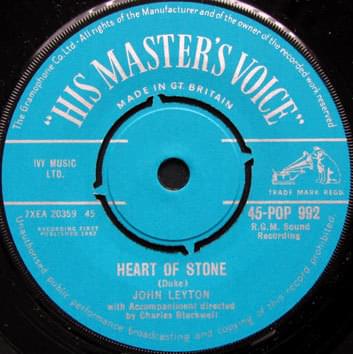
 View Artist