Song Meaning
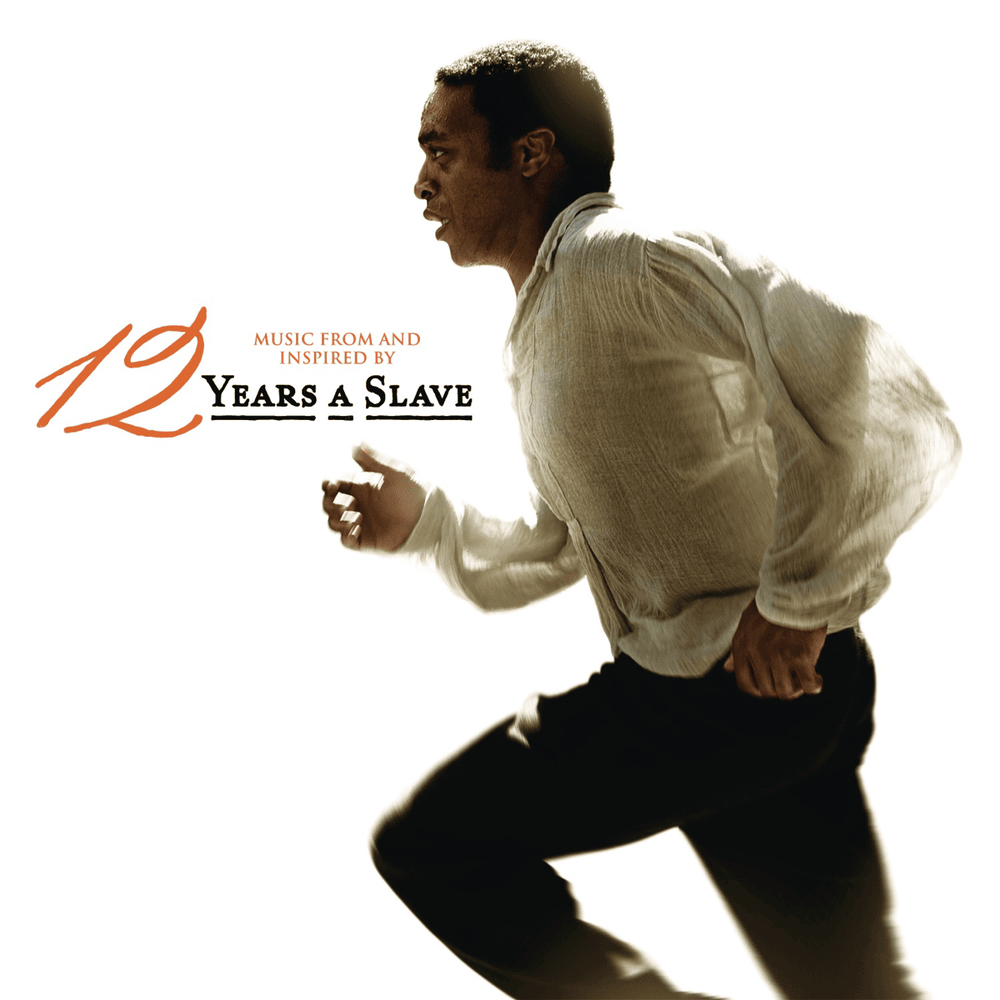
Hans Zimmer, the master of sonic landscapes, takes a starkly different turn with "(In the Evening) When the Sun Goes Down," a blues lament distilled to its emotional core. Gone are the orchestral flourishes; in their place, a raw vulnerability that speaks volumes. The song's power lies not in complexity, but in the crushing simplicity of heartbreak experienced during the twilight hours. The repeated line, "In the evenin', Mama, when the sun goes down," isn't just a time marker; it's a psychological anchor, a trigger for the pain that surfaces when the distractions of the day fade away. It's the moment when loneliness ceases to be a background hum and becomes a deafening roar. The setting sun operates as a powerful symbol of endings, loss, and the fading of hope. It mirrors the narrator's internal state, a world darkening as love disappears.
The lyrics analysis reveals a man grappling with infidelity and the agonizing realization that his love is directed elsewhere. "Don't it hurt so bad / When your love was lovin' someone else?" he asks, the question rhetorical, dripping with a pain so profound it needs no answer. The nighttime ruminations, the "lay awake at night / Oh, I'm just thinkin' to myself," paint a picture of a mind trapped in a loop of torment. He's caught between the desire to understand and the unbearable truth of his situation. The instrumental breaks offer no solace, only amplifying the aching void created by the lyrics. They serve as a kind of sonic grief, a space for the listener to absorb the weight of his sorrow.
Even the seemingly straightforward observation about the sun rising in the east and setting in the west carries a deeper resonance. It speaks to the cyclical nature of life and love, the inevitable ebb and flow of relationships. Yet, within this natural order, there's an uncertainty, a questioning: "it's hard to tell / Which woman'll love you the best." This isn't just about romantic love; it's a broader commentary on the fickle nature of human connection, the difficulty of discerning genuine affection from fleeting passion. The repetition of "When the sun goes down" at the song's close is not merely a refrain; it's an acknowledgement of the cyclical, enduring nature of pain. It suggests that the darkness, both literal and metaphorical, will inevitably return, bringing with it the same haunting loneliness. Zimmer, known for his grand scores, ironically achieves profound emotional impact through this blues track's minimalist structure, proving that sometimes, less truly is more.
 View Artist