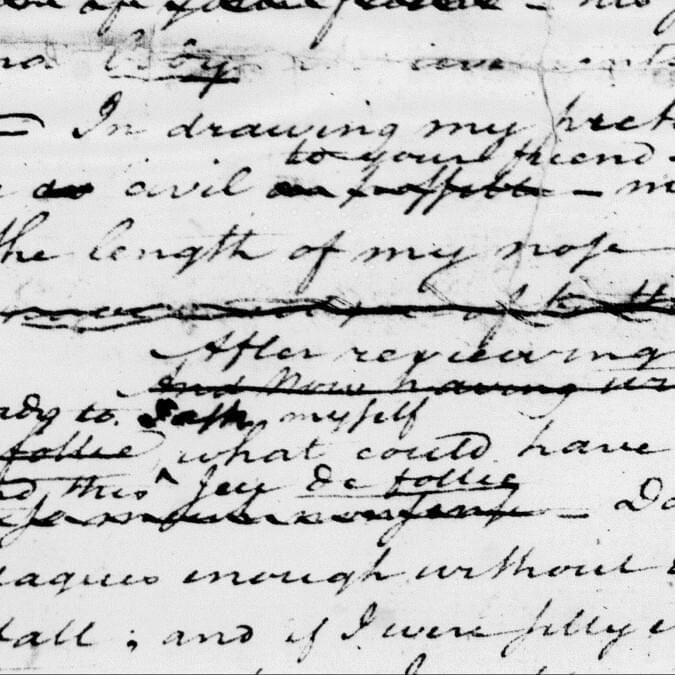
Song Meaning
The lyrics paint a picture of military frustration and personal longing during the Revolutionary War. The narrator, Laurens, expresses a weariness with the stalemate at Charleston, where the enemy's "system was perfectly defensive," rendering the campaign "insipid." This strategic deadlock has dashed the hopes of "sanguine citizens" anticipating a swift victory, highlighting a disconnect between public optimism and the grim reality on the ground. Laurens's direct plea, "I wish the garrison would either withdraw or fight us," reveals a desire for any decisive action, even if it means further conflict, to break the monotonous inaction.
The dominant tension lies between the public's eager anticipation of victory and the frustrating reality of a prolonged, indecisive conflict. Laurens acknowledges the "flattered" hopes of "sanguine citizens" but clearly feels the campaign's lack of progress. This contrast between expectation and reality fuels his exasperation, making the current state of affairs feel not just stagnant but actively disappointing. The phrase "insipid" perfectly captures the dullness of a war that has lost its edge due to an unbreachable defense.
The most striking element is the abrupt shift from military commentary to a deeply personal entreaty. After detailing the strategic impasse, Laurens pivots to his friend Hamilton, saying, "I entreat you not to withdraw the consolation of your letters." This juxtaposition underscores the profound personal connection amidst the public struggle. The "unalterable sentiments" of their friendship are presented as a vital lifeline, a source of comfort that Laurens desperately needs to combat the distance and the "insipid" nature of his current duties.
This letter's effectiveness stems from its raw honesty and the intimate glimpse it offers into the emotional toll of war. Laurens doesn't just report on the battlefield; he reveals his personal weariness and his reliance on friendship for solace. The direct, almost impatient, military observation is immediately followed by a vulnerable request for connection, making the narrator's humanity palpable. It’s this blend of public duty and private need that makes the brief message resonate.