Song Meaning
John Hiatt's "Ocean" is a masterclass in existential yearning, a sonic embodiment of the search for meaning in a seemingly indifferent universe. The lyrics paint a portrait of a soul adrift, adopting guises of nature itself—the west wind, a seagull—in a desperate attempt to locate a missing 'you.' This 'you' isn't necessarily a lost lover; it's more likely a stand-in for purpose, connection, or perhaps even a lost sense of self. The ocean, then, isn't just a setting; it's a metaphor for the vast, unknowable depths of the human psyche and the relentless, often fruitless, quest for answers within. The 'dark lonely beaches' become the internal landscapes where this search unfolds, haunted by the 'sorrow' and lit only by the deceptive 'lantern' of the moon. Hiatt captures the torment of feeling lost in one's own existence.
The song's brilliance lies in its understanding of the human condition's inherent contradictions. The speaker embodies both 'hunger' and 'ache,' acknowledging the pain that drives the search. The lines 'Death is my secret, the child my illusion / And life is the suffering that brings men to know me' are particularly striking. Hiatt suggests that an awareness of mortality and the acceptance of suffering are paradoxically essential for true understanding. The bridges offer glimpses of hope, albeit shrouded in ambiguity. The 'old one, the wise one, the bold one / Who guides scenery' could represent intuition, inner wisdom, or perhaps even a spiritual guide, offering a path through the internal chaos.
Ultimately, "Ocean" confronts the listener with the uncomfortable truth that the answers we seek may not be readily available, or even exist at all. The 'raging age' and 'rotting life' reflect a world seemingly devoid of inherent meaning, leaving us to grapple with the 'mystery' of our own existence. The final plea, 'When you have broken the spine of your madness / Come over here to me,' hints at the possibility of finding solace, or perhaps a shared understanding, with another soul who has navigated their own internal storms. The song's power resides in its unflinching portrayal of the human search for meaning in the face of overwhelming uncertainty.
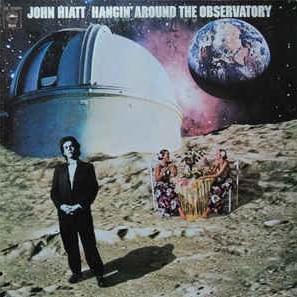
 View Artist