Song Meaning
The narrator finds themselves in a relationship where their partner's accusations and aggression are constant, even in the dead of night. The opening lines paint a picture of a jarring domestic scene: "You hit me in the face in the middle of the night" and "I try to sleep while you want to fight." This immediately establishes a tone of bewildered exhaustion, as the narrator struggles to understand the unfounded nature of the conflict, noting, "it's just in your mind that I didn't do right." The repeated plea, "Why do you do me like you do?" underscores a sense of helplessness and confusion in the face of relentless, irrational behavior.
The core tension arises from the partner's unfounded paranoia and aggressive actions, contrasted with the narrator's insistence on their own fidelity. The partner seems to be projecting their insecurities, as evidenced by the line, "the only time I ever ran around on you / Was in your dreams." This suggests the narrator's perceived transgressions exist solely in the partner's imagination, creating a painful disconnect between reality and the partner's perception. The narrator's plea for "mercy" highlights the emotional toll this takes.
The lyrics employ vivid, almost violent imagery to convey the partner's impact. Phrases like "filled my ears and knocked me down on the floor" and "cut out my tongue" suggest a systematic dismantling of the narrator's ability to communicate or defend themselves. The partner's misinterpretation of the narrator's desire for rest – "When I turn off the light you think I'm asking for more" – reveals a fundamental misunderstanding that fuels the conflict. The narrator's suggestion to avoid coffee before bed, "'Cause one of these day's i'm gonna wake up dead," is a darkly humorous, yet serious, expression of the potential for this volatile dynamic to lead to a tragic end.
This song's effectiveness lies in its raw, unvarnished depiction of a relationship plagued by baseless accusations and emotional abuse. The narrator's bewildered tone and desperate questioning make the listener feel the weight of the partner's irrationality. The stark contrast between the partner's perceived reality and the narrator's lived experience creates a palpable sense of frustration and sorrow, making the repeated refrain a powerful expression of enduring a relationship that feels fundamentally broken.
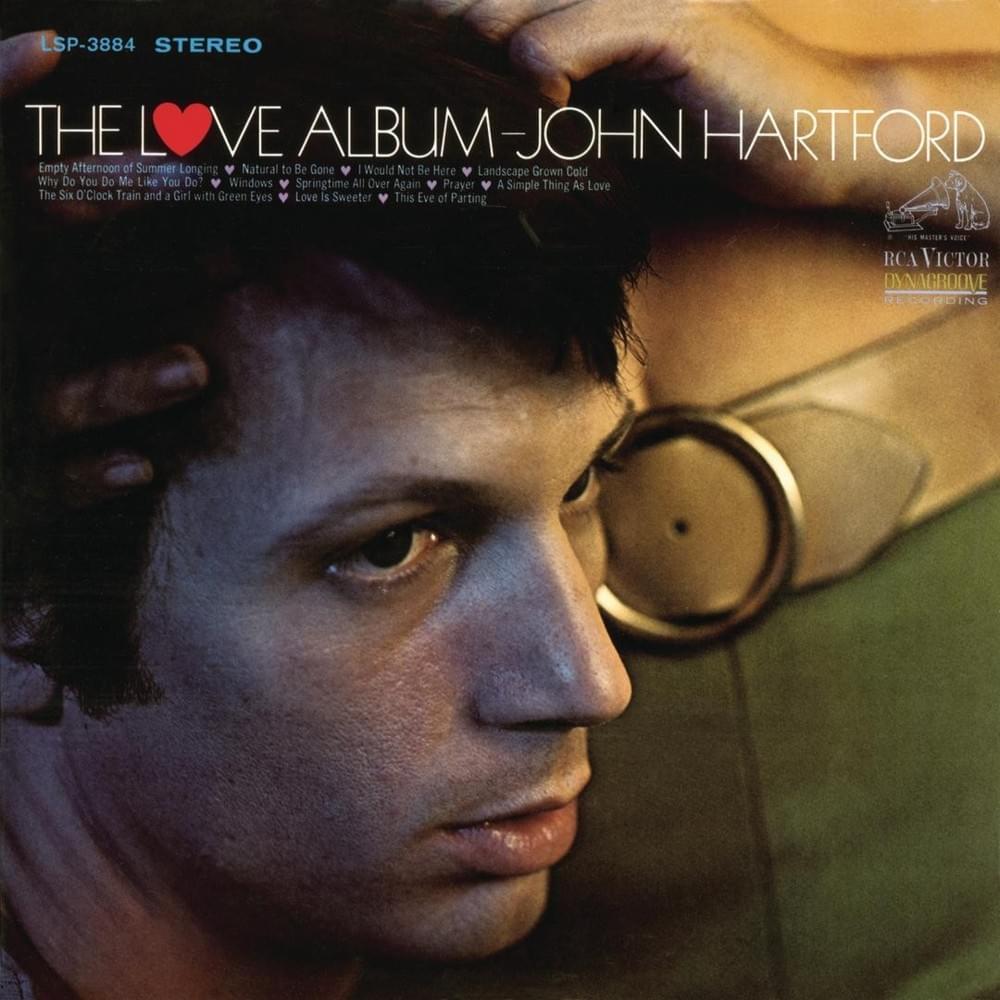
 View Artist