Song Meaning
The lyrics paint a picture of a past partnership, likely a romantic one, marked by shared struggle and a nomadic existence. The opening lines establish a sense of shared history and mutual reliance, with distinct roles: "You said the prayers / I passed the hat." This suggests a blend of spiritual or hopeful effort and practical, perhaps even hustling, action. The repeated phrase "We worked the bars / We worked the park / We worked the old fairground" emphasizes a period of relentless effort, moving from place to place, with a focus on survival rather than immediate gain, as indicated by "never counted up our change 'Til the rides had all closed down."
The core of the narrative seems to revolve around a shared attempt to overcome a difficult situation, possibly a failing relationship or a period of hardship. The lines "We travelled 'round the best we could / And slept where we layed down" and "We cleaned up in old back rooms / And we ate what food we found" highlight a life lived on the fringes, characterized by improvisation and scarcity. The repeated imagery of the "sequin dress" and "old top hat" evokes a performance or show business context, suggesting they might have been performers or entertainers trying to make a living, with the "spotlight to set us free" acting as a temporary escape or a symbol of their aspirations.
The most striking element is the repeated refrain, "We did our best / To get over you and me." This phrase carries a double meaning. On one hand, it suggests they were trying to overcome their circumstances together, perhaps to improve their lives or escape their current predicament. On the other, and more poignantly, it implies they were trying to get over *each other*, indicating the relationship itself was the source of struggle they were attempting to surmount. The act of holding hands while trying to get over each other creates a powerful image of shared pain and a difficult, perhaps doomed, attempt at separation or reconciliation.
This lyrical construction is effective because it grounds abstract emotional struggle in concrete, gritty details of a shared past. The contrast between the hopeful imagery of the "spotlight" and the harsh reality of "old back rooms" and "food we found" creates a palpable sense of their lived experience. The final, repeated declaration that they were trying to get over themselves, while still holding hands, leaves the listener with a lingering sense of bittersweet resignation and the complex, often contradictory nature of human connection in the face of adversity.
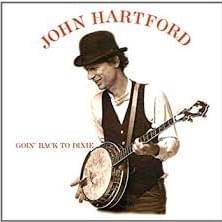
 View Artist