Song Meaning
The lyrics open with a striking image: the sky itself is weeping, its "tears roll down the street." This immediate personification establishes a profound sense of sorrow, setting a mournful stage for the heartbreak to come. The speaker seems to observe the world mirroring their own deep sadness.
Beneath this atmospheric grief, a more personal story unfolds. The speaker is "looking for my baby" and then sees her "walking on down the street." This brief sighting, however, isn't a reunion; instead, it triggers an intense emotional reaction, causing the speaker's "poor heart skip a beat" and a plea for "Help me now." The tension lies in the immediate pain caused by merely seeing the beloved, hinting at an unresolved or broken connection.
The most powerful craft element is the evolution of the central metaphor. Initially, the sky's tears are an external phenomenon, a shared, public display of sadness. Yet, as the speaker grapples with a "real, real bad feelin'" that their baby don't love them, the perspective shifts dramatically. The final lines collapse the distance between the external and internal, asking, "Can you see the tears roll down my nose?" This transformation reveals the sky's crying not just as a metaphor, but as a direct projection of the speaker's own profound, undeniable grief.
This lyrical move makes the heartbreak intensely personal and visceral. The effectiveness stems from how the speaker internalizes the vastness of the sky's sorrow, making it their own. The simple, direct language of pain – "hurt me so bad," "bad feelin'" – combined with this powerful, evolving imagery, creates a raw, empathetic connection. The lyrics don't just describe sadness; they embody it, showing how personal anguish can feel as immense and inescapable as a weeping sky.
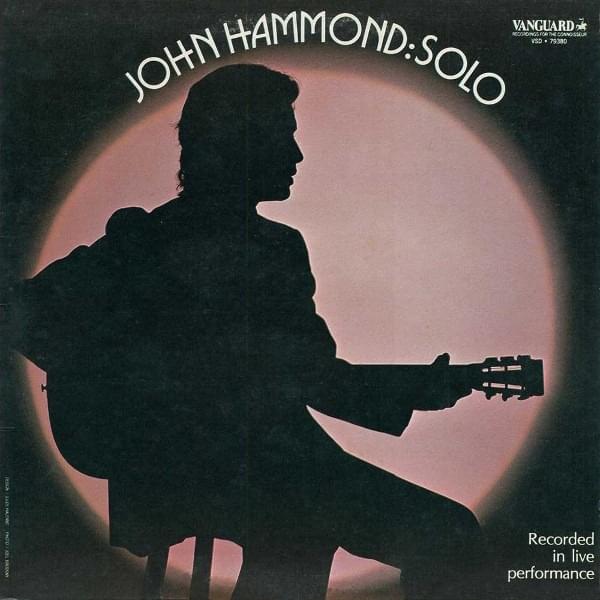
 View Artist