Song Meaning
The narrator imagines a scenario where he controls Judgment Day, a power he'd wield to prevent the woman he loves from praying. This immediate, possessive desire sets a tone of deep personal grievance, suggesting a relationship fraught with conflict or perceived betrayal. The fantasy of divine control is rooted in a very earthly pain: the loss of his woman to another man, which plunges him into 'lonesome blues.'
The core of the song lies in this stark contrast between ultimate power and utter powerlessness. He yearns for dominion over fate itself, yet the lyrics reveal he's been utterly subjected to the whims of his lover and the blues. The repeated phrase 'If I had possession, over judgment day' isn't just a hypothetical; it's a cry born from the sting of his current reality, where he's lost control and is left only with sorrow and a sense of injustice.
The writing crafts a vivid picture of despair through simple, potent imagery. The 'mountain' vista, meant to offer perspective, only confirms his loss, seeing 'some other man got my woman.' Later, the 'biscuit roller gone' is a striking, domestic detail that signifies not just the absence of a tool, but the departure of his partner, leaving him to 'fold my arms and slowly walked away.' This quiet, resigned exit, followed by a muttered threat of future retribution ('Yo' trouble gon' come some day'), highlights the simmering resentment beneath his outward calm.
Ultimately, the effectiveness of these lyrics stems from their raw, unvarnished expression of hurt and a desperate longing for cosmic fairness. The narrator's fantasy of controlling Judgment Day is a powerful, albeit flawed, attempt to reclaim agency in the face of profound personal loss. The shift from imagining divine power to recounting his own passive, yet vengeful, departure makes the emotional weight of his situation palpable.
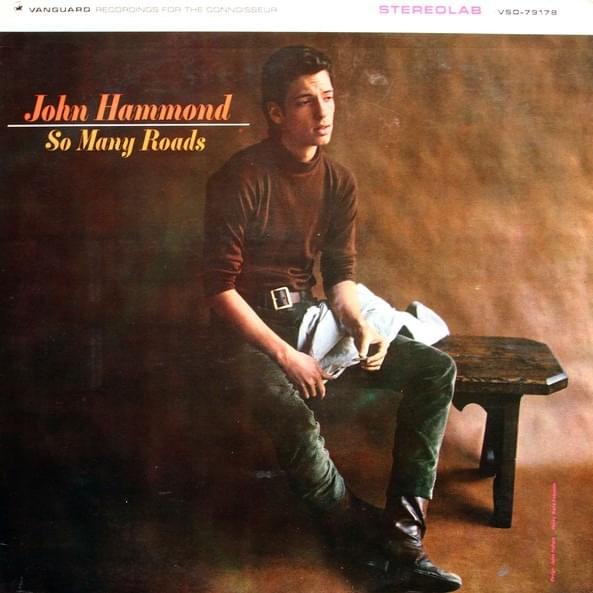
 View Artist