Song Meaning
The narrator faces his own mortality with a strange mix of resignation and a plea for understanding. He's had his time, acknowledging a life lived, but the repetition of "I've had my fun if I don't ever get well no more" underscores a deep-seated awareness that this is the end. The immediate tone is one of quiet acceptance, tinged with the regret of a life not fully aligned with expectations.
The central tension arises from the narrator's desperate need to communicate with his mother, revealing the true gravity of his situation. He doesn't want her to be unaware, hence the plea, "Won't somebody write my mother and tell her the shape I'm in." This isn't just about physical decline; it's a confession, a request for prayer and forgiveness, highlighting a profound moral reckoning alongside his failing health.
The lyrics cleverly subvert the typical narrative of seeking medical help. The narrator explicitly rejects doctors, stating, "A doctor can't do me no good." This isn't necessarily a denial of medical science, but rather an acceptance that his condition is beyond physical repair. It points to a spiritual or existential ailment that only divine intervention or familial grace can address, linking his past misdeeds to his present fate.
This song's power lies in its stark, unadorned honesty and the raw emotional vulnerability it exposes. The simple, repetitive structure mirrors the inescapable nature of his decline and his recurring thoughts. The plea to his mother, asking her to forgive his youthful indiscretions, "I just didn't do the things I should," grounds the abstract fear of death in a very human need for familial absolution.
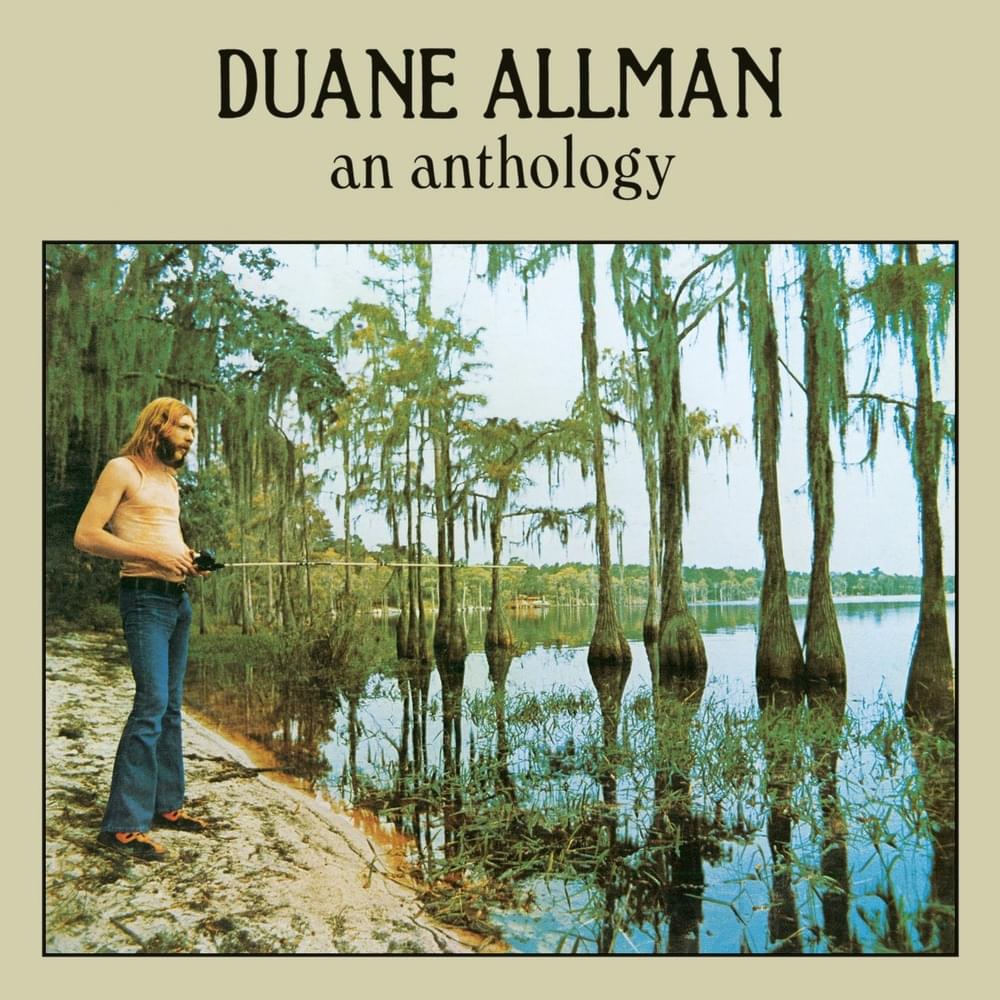
 View Artist