Song Meaning
The lyrics present a curious paradox: a departure that should cause distress is met with an almost defiant sense of well-being. The narrator claims his lover left him "here to stay" during "the spring one summer day," a temporal mix-up that hints at disorientation or perhaps a playful disregard for linear time. Despite the stated abandonment, the immediate response is a cheerful "I don't worry."
The central tension arises from this disconnect between the event (being left) and the reaction (feeling great). The narrator insists he's "sittin' on top of the world," a phrase usually reserved for moments of peak happiness or success. This feeling, however, is juxtaposed with the absence of the person who supposedly left him, creating an intriguing emotional ambiguity. It makes you wonder if his contentment is genuine or a form of bravado.
The most striking element is the narrator's unwavering, almost absurd, positivity in the face of romantic loss. The repetition of "Oh yes, she's gone but I don't worry" reinforces this stance, making it the core message. The subsequent lines about receiving calls from "Dallas and El Paso" where she expresses missing him further complicate the narrative, suggesting a potential reconciliation or at least continued connection, which might explain his elevated mood.
This lyrical construction effectively plays with listener expectations. We anticipate sadness or anger when someone is left, but the narrator offers an unshakeable, almost cartoonish, sense of elation. The contrast between the implied negative event and the overwhelmingly positive outcome is what makes the lyrics memorable and prompts a second listen to decipher the narrator's true emotional state.
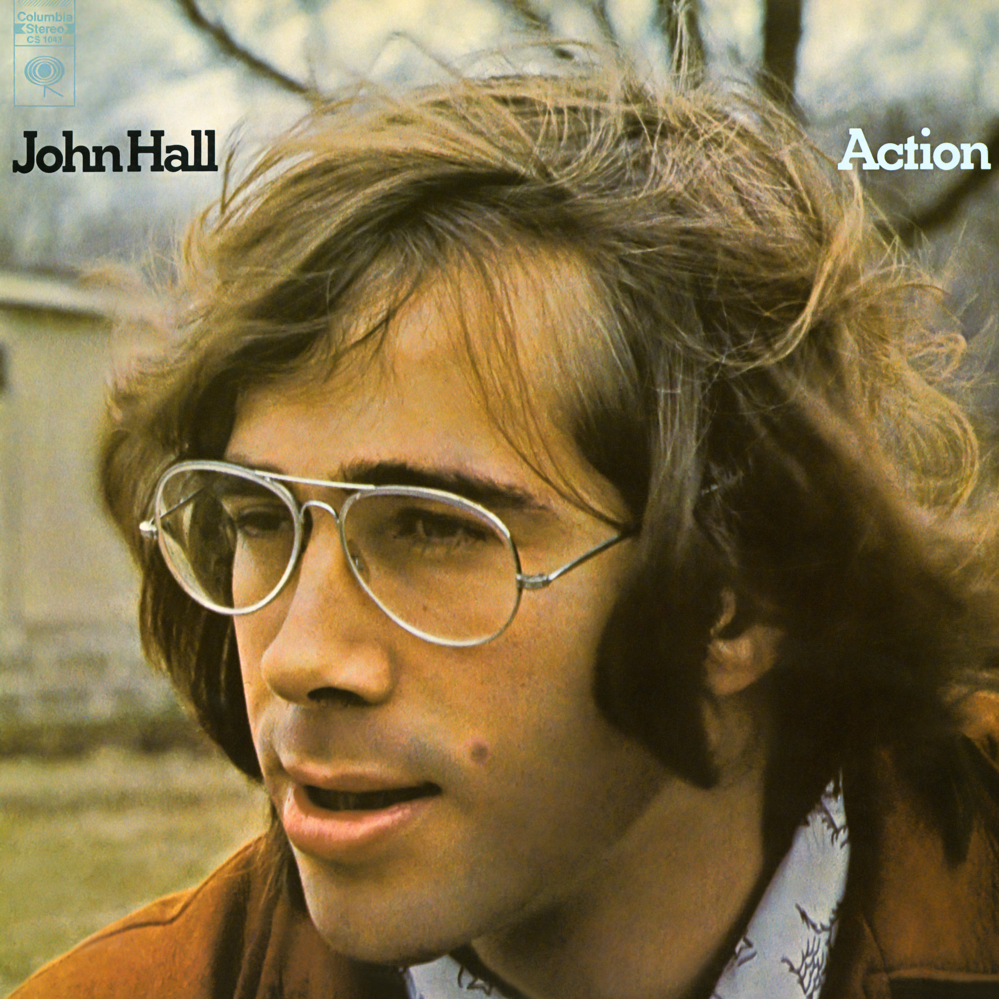
 View Artist