Song Meaning
The lyrics paint a chilling picture of authoritarianism creeping into positions of power, specifically referencing "brown shirts" in the "white house" and "up on top of the hill." This imagery immediately establishes a sense of unease and dread, suggesting a pervasive and encroaching threat. The repeated phrase "Brown shirts" acts as a relentless drumbeat, emphasizing the inescapable presence of this force and its march across the land. The initial lines establish a scene of observation, with the narrator hearing the "marching still," implying a historical echo or a continuation of a dangerous pattern.
The core tension lies in the deceptive justification offered for the "brown shirts'" actions: "for the good of the country" and to "give us law and orders." This presents a stark contrast between the stated noble intentions and the implied sinister reality. The lyrics question this facade, noting that the "brown shirts" are "tough on the bad guy / Though they made him what he is," suggesting a manufactured enemy or a system that perpetuates the very problems it claims to solve. This creates a profound sense of irony, where the supposed saviors are also the architects of the chaos.
The craft here is in the stark, almost clinical repetition and the unsettling juxtaposition of familiar symbols with menacing actions. The reference to being "a little more subtle now / Than the 'house painter' man" is a pointed, albeit indirect, historical allusion that highlights a shift in tactics rather than ideology. The most potent image is the accusation that they "speak of God as their witness / But they would kill Jesus again," a powerful indictment that frames their actions as a profound betrayal of moral and religious tenets. This elevates the critique from political observation to a spiritual and ethical condemnation.
What makes these lyrics hit so hard is their directness and the chilling implication that this isn't a distant historical event but a present danger. The narrator's voice is one of horrified recognition, seeing the familiar signs of oppressive movements manifesting in seemingly modern, powerful settings like the "white house" and "black limousines." The final lines, "With fresh red unspeakable schemes," leave the reader with a sense of dread about the unknown, yet clearly malevolent, future these forces are orchestrating. It’s a stark warning about how easily the machinery of oppression can rebrand itself and continue its work.
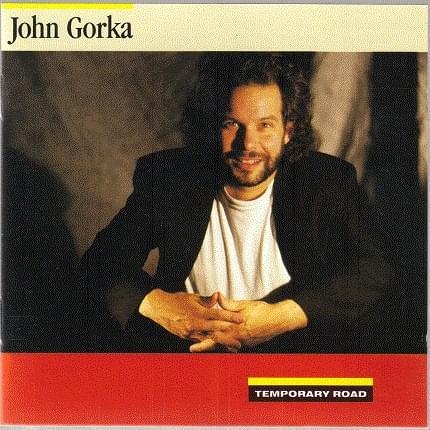
 View Artist