Song Meaning
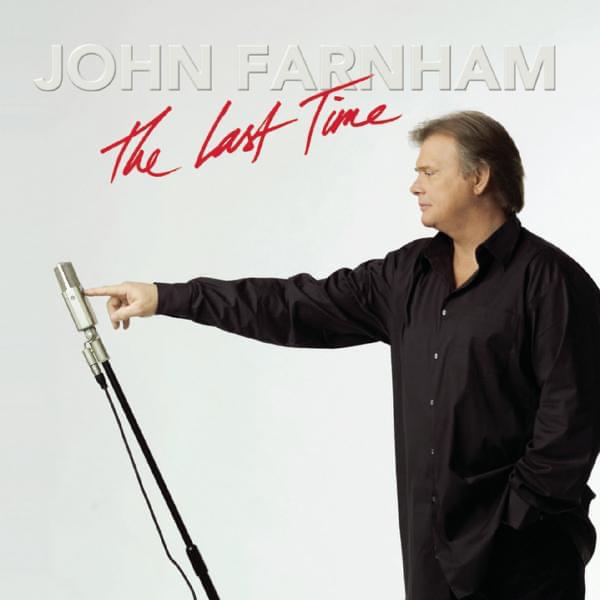
John Farnham's "The Last Time" isn't just a breakup song; it's a masterclass in passive aggression, delivered with a side of power ballad bombast. The lyrics drip with the weary exasperation of someone who's given up on direct communication. It's the sound of a relationship circling the drain, not with a dramatic splash, but with the slow, agonizing drip of a leaky faucet. The repeated refrain, "This could be the last time," teeters between a genuine warning and a manipulative threat, leaving the listener (and presumably the subject of the song) suspended in a state of anxious uncertainty. The ambiguity is the point; Farnham isn't explicitly ending things, he's creating an atmosphere of impending doom, forcing his partner to confront the potential consequences of their actions (or inaction).
Beneath the surface of wounded pride and thinly veiled anger lies a deep-seated frustration. The lines "You don't try very hard to please me / And with what you know it should be easy" expose a sense of entitlement and a lack of empathy. It's not just that the partner isn't meeting his needs; it's that they're *choosing* not to, despite knowing what he wants. This perceived intentionality amplifies the pain and fuels the resentment that permeates the song. The undercurrent of blame suggests a refusal to take responsibility for the relationship's decline, instead casting the partner as the sole architect of its demise.
Ultimately, "The Last Time" is a study in emotional brinkmanship. The narrator is holding all the cards, dangling the threat of departure over the relationship like a sword of Damocles. Whether this is a genuine attempt to salvage the connection or a calculated power play is left open to interpretation. But one thing is clear: the relationship has reached a critical juncture, and the future hinges on the partner's willingness to play by Farnham's rules. The song's lasting impact lies in its unflinching portrayal of the messy, manipulative dynamics that can plague even the most seemingly stable relationships, leaving the listener questioning the true meaning of commitment and the price of emotional compromise.
 View Artist