Song Meaning
This track paints a vivid picture of a young woman pushing boundaries, presented through a lens of parental exasperation and societal disapproval. She’s got the accoutrements of a certain kind of youthful rebellion – a hi-fi stereo, a motorcycle boy, and a suggestive confidence in her burgeoning sexuality. The contrast between her father’s affectionate, if slightly outdated, term "cupcake" and her "kinda lookin mighty grown" highlights the transition she’s undergoing, one that clearly unsettles those around her. The lyrics establish her as someone who defies expectations, living life on her own terms.
The central tension arises from the clash between the narrator's (or society's) perception of her as a "pretty little rebel" and the actual disruptive force she represents. Her "momma" is driven crazy by her associations, and the school administration is up in arms over her "dresses" and perceived lack of respect. Even her physical presence is noted by the "hickies on her neck" and the driver's ed teacher's reaction, suggesting her allure and defiance are almost physically overwhelming to conventional authority figures. This "rebel" isn't just a label; it's an active force causing chaos.
The repeated chorus, "She's a pretty little rebel," acts as a refrain that attempts to contain her energy, but the details that follow undermine this neat categorization. The specific images – "Maybelline," "Revlon," "bleach blond" – ground her in a certain aesthetic, but the line "She'll blown ya down / Just like a twister" elevates her impact beyond mere appearance. The narrator's thankful distance, "I thank the Lord / She ain't my sister," underscores the overwhelming nature of her personality and the relief felt by those who don't have to directly manage her.
Ultimately, the lyrics resonate because they capture a specific kind of adolescent defiance that feels both familiar and potent. The writing uses sharp, contrasting imagery – "cupcake" versus "grown," "pretty" versus "rebel," "respect" versus "upset" – to illustrate the friction between youthful self-expression and the rigid expectations of the adult world. The narrator’s own discomfort, expressed through the final lines, amplifies the effectiveness of the portrait, making the "pretty little rebel" a figure who commands attention, even if it's through exasperation.
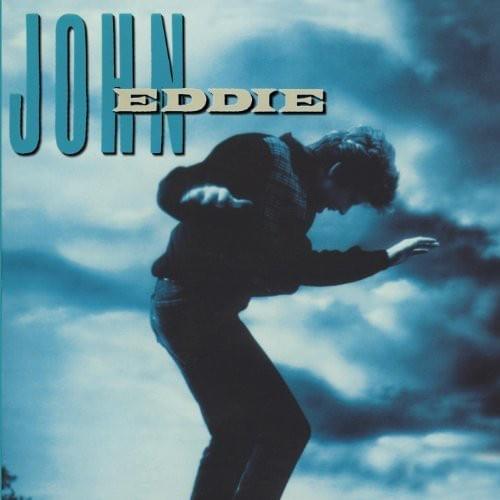
 View Artist