Song Meaning
The lyrics paint a stark picture of displacement and loss, contrasting a proud past with a subjugated present. Initially, the narrator declares, "I was a red man / I was proud, I was strong," establishing a powerful identity rooted in self-sufficiency and belonging. This is immediately juxtaposed with the arrival of "the white man / And you stole away my home," setting up a core conflict of dispossession and power imbalance that defines the song's emotional landscape.
The central tension lies in the transformation from a proud "red man" to a "wooden Indian." This shift signifies a profound loss of agency and spirit, reduced to an inanimate object. The narrator laments, "Times the way you bring me down / Make me wish that I was dead," revealing the crushing weight of this new reality. Yet, even in this state of despair, a flicker of defiance emerges, a promise that "We're gonna rise again."
The most striking craft element is the potent symbolism of the "wooden Indian." It's a figure often found outside businesses, a silent, decorative sentinel, stripped of its original context and power. The lyrics imbue this static image with a deep, internal life, "Painted dreams inside my head," while externally, the narrator is "Standing silent in the rain." This contrast between inner life and outward stillness powerfully conveys a suppressed spirit yearning for resurgence.
This song resonates because it captures the enduring spirit of a people stripped of their land and identity. The repeated vow, "We're gonna rise again," sworn "by my grandfather's father," grounds the hope in ancestral legacy. It's a testament to resilience, suggesting that even when reduced to a "wooden Indian," the will to reclaim one's heritage and stand tall remains unbroken.
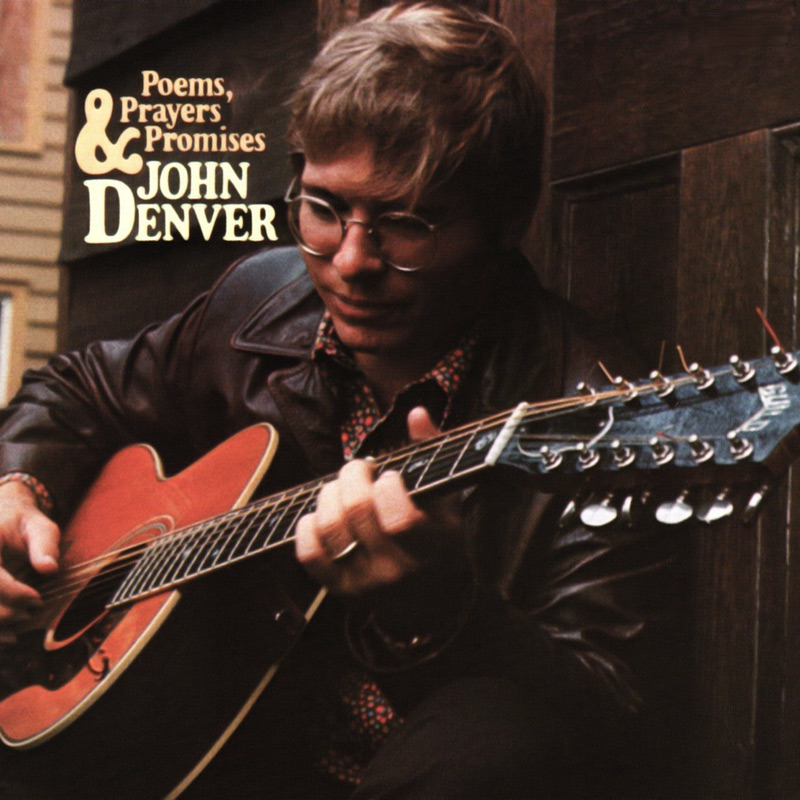
 View Artist