Count Me Down
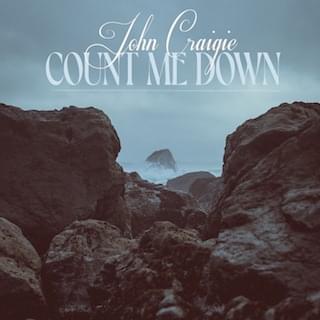
 View Artist
Lyrics
[Verse 1] Once upon a time I'd be Making babies, planting seeds In an empty country full of dreams A little sapling of my family tree I would've been good I would've been good [Verse 2] My old man's been hanging on Waiting for another John I suggest that time is gone He suggests I don't give up I could've been good Said I could've been good [Chorus] Somebody count me down Somebody count me down [Verse 3] Well, there ain't no meal that's big enough That won't leave you hungry tomorrow I keep tryin' to fill up Won't someone tell me my last one? And I'll be good And I'll be good [Chorus] Somebody count me down Somebody count me down
Rate this song
0/5.0 - 0 Ratings
5
0.0% (0)
4
0.0% (0)
3
0.0% (0)
2
0.0% (0)
1
0.0% (0)
Loading comments...
Credits
- Writers
- John Craigie