Song Meaning
The lyrics paint a picture of two individuals existing in starkly different, isolated landscapes. One is out on a vast prairie, grappling with existential doubt and perhaps a crisis of faith, questioning their very existence. The other is tethered to the west coast, feeling a profound loneliness and singing their music to an unresponsive environment. These parallel scenes of isolation set a somber, introspective tone before the chorus arrives.
The central tension emerges in the chorus, contrasting the intensity of their connection with the speaker's assertion of their own virtue. The phrase "love like lightning" suggests a powerful, perhaps sudden, force, yet the speaker immediately pivots to a declaration of their positive impact on the other person. This creates a fascinating push-and-pull: a recognition of intense feeling alongside a need to establish their own moral standing, especially with the poignant "we won't live again, but you'll remember me."
The imagery of the "stray dog" is particularly striking, illustrating a relationship where one party was taken in and cared for, implying a sense of obligation and perhaps a hint of resentment or a perceived imbalance. Later, the analogy of the painter and the "last stroke" offers a more nuanced perspective. While the recipient of the speaker's affection might only see the finished product, the speaker emphasizes their intimate knowledge and deliberate contribution to that outcome, reinforcing their claim of having been "good to you."
Ultimately, the effectiveness of these lyrics lies in their blend of grand, almost mythic isolation and intensely personal, almost defensive, declarations of self-worth. The repetition of "I was good to you" transforms from a simple statement into a desperate plea for recognition, a final assertion of value in the face of potential oblivion or indifference. The lyrics suggest a deep-seated need for their past actions and their role in the relationship to be remembered and acknowledged, even if the love itself has faded.
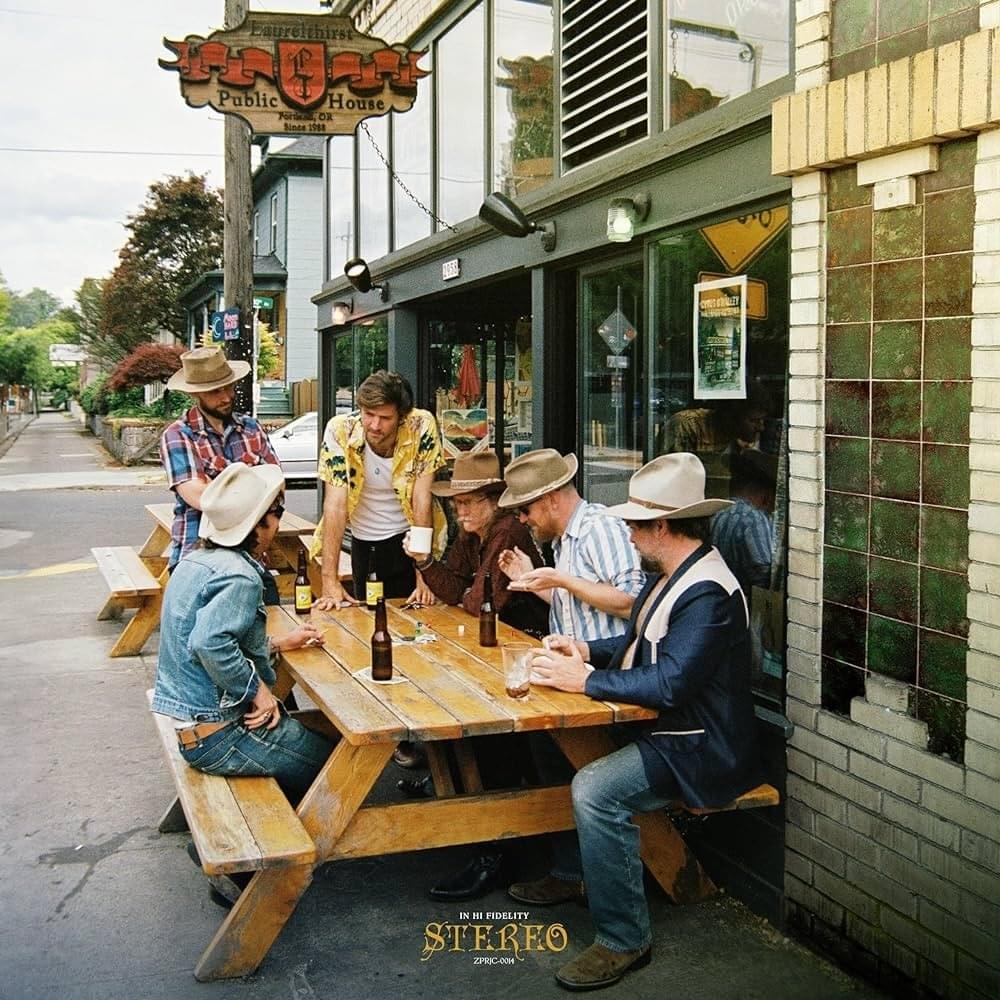
 View Artist