Song Meaning
John Conlee's "Love in the Real World" isn't some airbrushed fantasy peddled by mainstream romance. It's a stark, unblinking look at the messy, often unglamorous realities of commitment and family. The song introduces us to Maryanne and Andy, young, perhaps naive, and quickly overwhelmed by the weight of responsibility. Their waterbed purchase, intended as a symbol of romance, gives way to sleepless nights and the chaos of raising a child. The lyrics don't shy away from the drudgery: Andy's endless double shifts, Maryanne's lonely nights and calls to her mother. It's a portrait of a marriage strained by financial pressure and emotional exhaustion, a far cry from the "happily ever after" ideal. The genius of the song lies in its honesty. It doesn't offer easy answers or sentimental platitudes.
The phrase "love in the real world" functions as both a description and a gentle corrective. It acknowledges the hardships—the "silent fights, screaming kid," the "pesky bills"—but also suggests that these struggles are an inherent part of the experience. Conlee isn't glorifying misery; he's simply stating that love, in its most authentic form, isn't always pretty. It requires resilience, compromise, and a willingness to weather the storms together. The roller coaster metaphor in the bridge reinforces this idea: life is unpredictable, so the best we can do is laugh, hold on tight, and find solace in the person beside us.
Ultimately, "Love in the Real World" is a celebration of the small moments of connection that make the struggle worthwhile. Andy's rare night at home, the sleeping child, the embrace, the kiss—these fleeting instances of intimacy offer a glimpse of hope amidst the chaos. The song suggests that love, in its purest form, isn't about grand gestures or fairytale endings. It's about finding joy and connection in the everyday, even when life feels overwhelming. It's about recognizing that even in the midst of financial strain and sleepless nights, there is still room for love and intimacy.
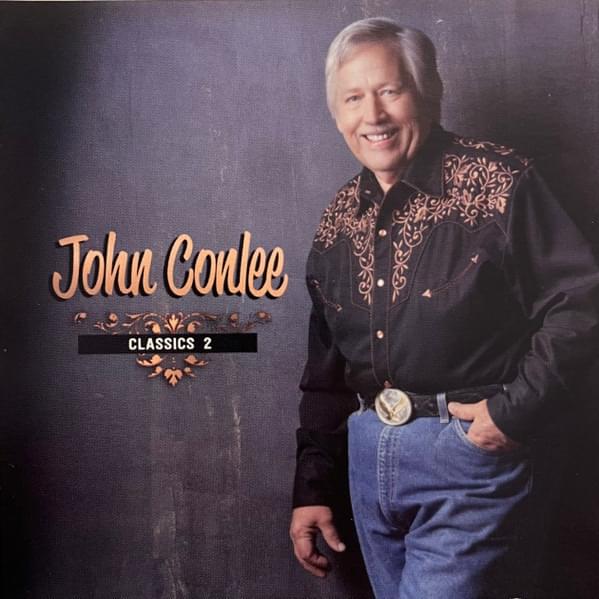
 View Artist