Song Meaning
John Conlee's rendition of "Busted" isn't just a country lament; it’s a stark portrait of desperation painted against the backdrop of rural economic collapse. The song's power lies in its relentless simplicity, each verse hammering home the protagonist's increasingly dire circumstances. "The bills are all due, the babies need shoes, I'm busted" isn't just a statement of fact; it's a primal scream of a provider watching his world crumble. The repetition of "I'm busted" acts as a haunting chorus, underscoring the feeling of inescapable doom. The lyrics tap into a deep-seated anxiety about financial ruin, a fear that resonates across generations.
What elevates "Busted" beyond a mere tale of woe is its exploration of fractured social safety nets. The plea to "brother Bill" exposes the limits of familial support when everyone is struggling. This isn't just individual failure; it's a systemic breakdown where even those closest to you are powerless to help. The line, "Lord, I hate to beg like a dog for a bone," encapsulates the crushing blow to one's dignity when forced to seek charity. It speaks to the psychological toll of economic hardship, where pride and self-worth are casualties of circumstance. The song's genius is in showing how financial hardship attacks not only the wallet but also the soul.
Ultimately, "Busted" isn't just about being broke; it's about the potential for moral compromise when pushed to the edge. The narrator's admission, "Now Lord, I'm no thief, but I could go wrong," hints at the desperate measures one might consider when faced with starvation. This isn't a justification, but a chilling acknowledgement of the corrosive effects of poverty on one's values. The final verses, with their bleak imagery of barren fields and forced migration, paint a picture of utter displacement and uncertainty. The repeated line "Where I'll make a living, Lord only knows" is not just a question but a prayer, a desperate plea for hope in the face of overwhelming despair. The song meaning of "Busted" transcends its country roots; it's a timeless commentary on the fragility of the human condition when confronted with economic hardship.
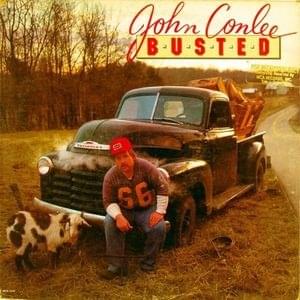
 View Artist