Song Meaning
The lyrics present a profound declaration of self, identifying the speaker with the totality of existence and spiritual practice. It begins by listing various religious and ritualistic elements, from Vedic rites and scriptural teachings to ancestral offerings and healing herbs. The narrator asserts their presence within each of these, blurring the lines between the observer and the observed, the practitioner and the practice itself. This establishes a sense of all-encompassing identity right from the start.
The central tension arises from this radical self-identification. The speaker claims to be not just a participant but the very essence of the rituals, the offerings, the butter, and the flame. This expands further to encompass familial roles – sire, mother, grandsire – and the cosmic principle of karma, awarding the fruits of action. It’s a powerful assertion of being the source and sustainer of all things, a divine or universal consciousness.
The most striking craft element is the relentless use of the first-person pronoun "I" coupled with the enumeration of disparate elements. This repetition drives home the speaker's claim to embody everything mentioned. The ultimate assertion, "I am Om," collapses all these individual components into a single, sacred syllable, the primordial sound of the universe in Hindu tradition. The inclusion of non-lexical singing and animal sounds further suggests a move beyond language into pure, unadulterated being.
This lyrical construction is effective because it bypasses intellectualization and aims for a visceral, almost overwhelming sense of unity. By claiming to be the rituals, the offerings, and the cosmic forces, the narrator invites the listener to consider their own connection to these fundamental aspects of existence. The final "I am Om" serves as a resonant conclusion, a sonic and conceptual anchor for the expansive claims made throughout the text.
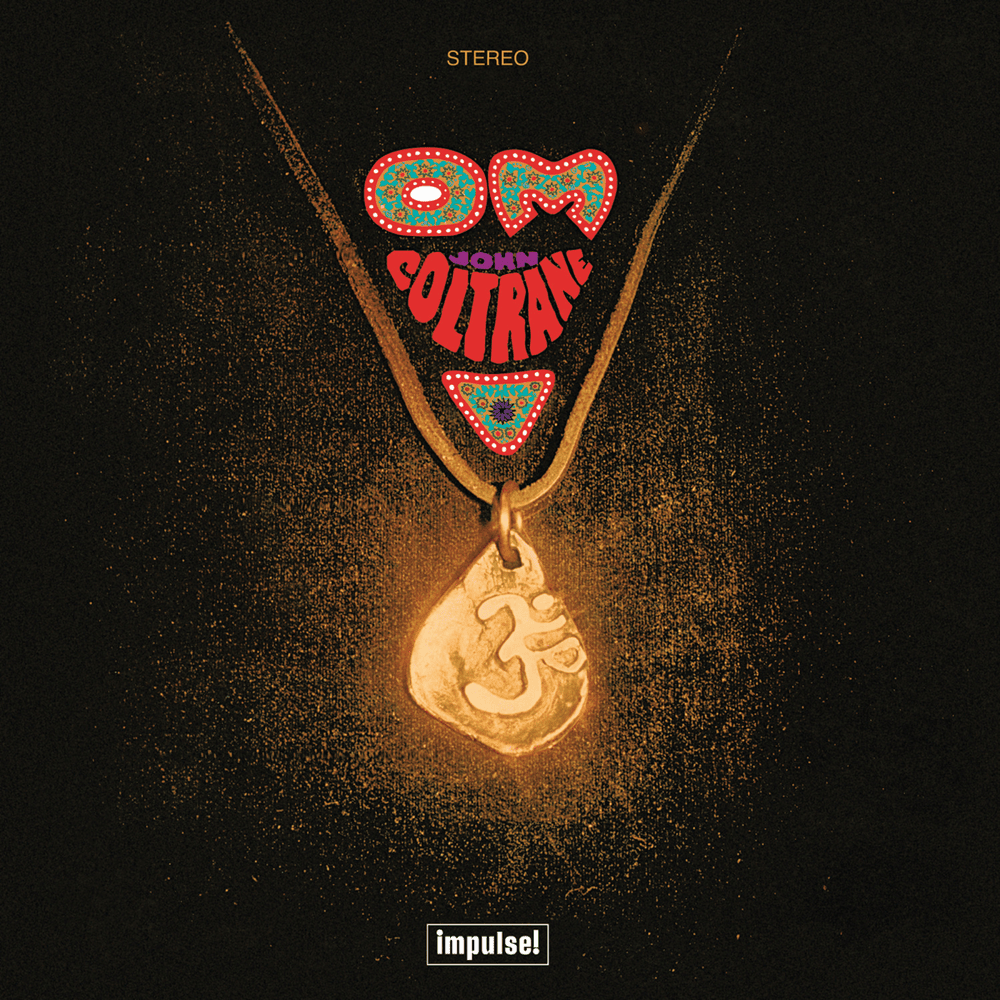
 View Artist