Song Meaning
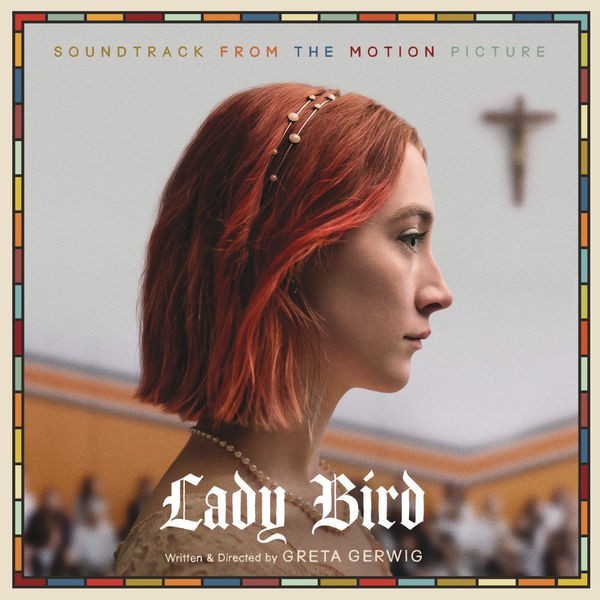
The exchange opens with a simple question about a name, but quickly pivots to a profound statement of self-creation. Father Leviatch’s query, "Is that your given name?" sets up a contrast between traditional naming and the narrator’s act of self-naming. The narrator’s response, "Yeah," is followed by the crucial detail: "Well, I gave it to myself." This immediately establishes a core theme of autonomy.
The central tension lies in the act of self-definition versus external validation. The narrator’s insistence that her name is "given to me, by me" directly challenges the notion of a name being a passive inheritance. It’s a declaration that her identity is not something bestowed upon her but something she actively constructs and claims. This is a powerful assertion of agency, particularly in a context that seems to involve an authority figure like a priest.
The most striking element is the simple yet potent phrase, "given to me, by me." This linguistic paradox highlights the narrator’s unique position. She is both the recipient and the bestower of her own identity, a circular logic that underscores her complete ownership of her name and, by extension, herself. The quotes around "Lady Bird" in the transcript further emphasize this constructed nature, marking it as a chosen designation rather than a birthright.
This brief dialogue is effective because it distills a complex idea into a single, memorable line. The narrator’s refusal to accept a passive role in her own naming, and her assertion of self-authorship, resonates as a powerful statement of independence. It’s a quiet but firm rebellion against predetermined identities, suggesting that true belonging comes from within.
 View Artist