Song Meaning
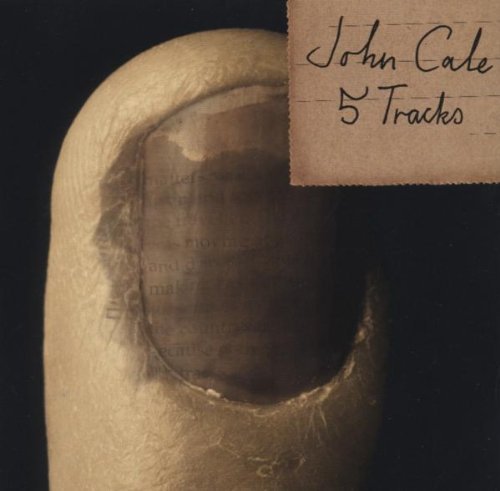
John Cale's "E Is Missing" unfolds like a fragmented dream, a psychological portrait rendered in oblique angles and unsettling imagery. The missing 'E' itself acts as a potent symbol, suggesting absence, erasure, and a fundamental lack within the song's protagonist. This absence permeates the lyrics, manifesting as physical disintegration ("His fingernails are missing, one through ten"), geographical displacement ("Rome is no longer behind him"), and a profound sense of existential nowhere-ness. The line "Nowhere is nowhere" isn't just wordplay; it's a declaration of utter desolation, a void at the heart of the character's being.
The song hints at a quest, albeit a bizarre one: "he's on his way to fix it." Fix what? The water on Mars, a patently absurd task, suggesting a desperate attempt to impose order on a chaotic internal landscape. The mention of "gris-gris" adds a layer of mystification, implying a reliance on folk magic or ritual to address deep-seated anxieties. This individual is clearly fractured, his soul described as "very uptight" and "ugly," yet the narrator insists, "it's not meant to be." This suggests a flicker of hope, a recognition of the inherent potential for healing and wholeness, despite the outward appearance of decay.
The image of the "derelict lighthouse" is particularly striking. Lighthouses are meant to guide and protect, but this one is broken, signalling to "shipwrecks under the ocean." It's a haunting metaphor for a damaged psyche, offering solace not to the living but to those already lost. The "secret bruises from a writing machine" suggest a self-inflicted wound, a torment born from the act of creation itself. Cale paints a picture of a tormented artist, grappling with inner demons and the weight of his own creative process, ultimately lost in a desolate landscape of his own making. "E Is Missing" is not easily deciphered, but its power lies in its ability to evoke a visceral sense of unease and the fragile nature of the human spirit.
 View Artist