Song Meaning
John Cale's "Bring It on Up" isn't merely a song; it's a dusty, hallucinatory journey into the psyche, a landscape of regret and the lingering specter of self-destruction. The opening lines paint a parched scene: prayers for rain juxtaposed with the inevitability of snow, a desert wanderer armed but lost, pursued by a biblical plague. This isn't just physical hardship; it's a psychic reckoning, a confrontation with the consequences of past actions. The gun, a symbol of power, becomes a burden in this desolate expanse. The locusts aren't just insects; they're the gnawing anxieties that follow poor choices. The song meaning here centers on the individual's internal struggle. The lyrics suggest a narrative steeped in addiction, or at least a self-destructive pattern. The 'paper-cup saloon' evokes a sense of cheap, fleeting comfort, a refuge built on fragile foundations. The 'backroom boys' playing the 'same old tune' are the enablers, the familiar voices that perpetuate the cycle. The dwindling bottle represents a last grasp at oblivion, a desperate need to 'bring it on up' – to unleash the repressed emotions and traumas that fuel the self-destructive behavior. It's a purging, albeit a potentially destructive one.
Verse two shifts the setting to a quasi-legal escapade, a 'wagon' ride with the sheriff, both singing out of tune. This descent into absurdity underscores the loss of control, the blurring of lines between right and wrong. The inevitable imprisonment, the 'empty bowl laughing right at me,' signifies the hollow victory of self-sabotage. It's a cruel irony: the very thing meant to provide solace ultimately mocks the individual's weakness. John Cale's 'Bring It on Up' uses stark imagery and metaphorical storytelling to explore the themes of addiction, regret, and the struggle for redemption.
Ultimately, "Bring It on Up" is a raw, unflinching self-examination. The repeated refrain, 'I'd better bring it on up,' is a mantra of confrontation, a forced catharsis. It's a recognition that the only way to break free from the cycle is to confront the demons within, to excavate the pain and trauma that drive the destructive behavior. The song doesn't offer easy answers or a clean resolution. Instead, it leaves us with the unsettling understanding that the journey to self-awareness is a messy, painful, and often solitary one.
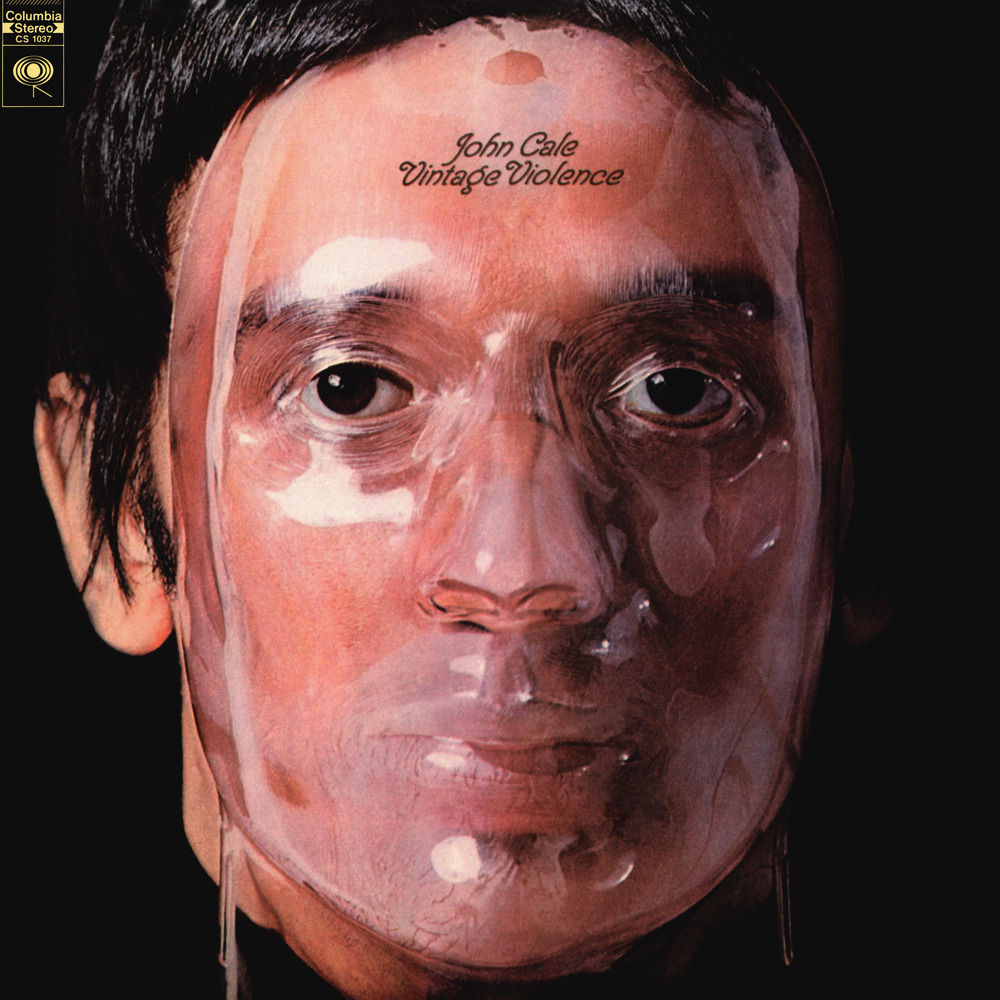
 View Artist