Song Meaning
John Cale's "Black Rose" is not a gentle bloom; it's a thorny, complex character study. The song’s meaning seems rooted in the pitfalls of early fame and the corrosive effects of being perpetually observed. The opening lines, "Everybody melting but the heat just won't affect you," suggest a detached protagonist, immune to the pressures that consume others. This immunity, however, comes at a cost. The "Backlot Casanovas and black Russian defectors" vying for her attention paint a picture of a world obsessed with image and fleeting connections. The repeated line about not having space on the windowsill hints at an overwhelming accumulation of superficial tokens, perhaps photographs or mementos, signifying a life cluttered with empty gestures. The pressure of this leads to destructive behavior. The core of the song meaning lies in the chorus, where the titular "Black Rose" is juxtaposed with the "white rose, stillborn." This stark contrast suggests a corrupted innocence, a potential for purity that has been tragically lost or perhaps never had a chance to exist. The rose imagery speaks to beauty and fragility, while the colors highlight a dichotomy between darkness and light, life and death.
The verses explore the protagonist's attempts to find genuine connection amidst the superficiality. "Dream Street romance is not the same as burning love" underscores the difference between manufactured fantasy and authentic emotion. The image of lighting "a thousand candles" and wearing a "satin glove" evokes a sense of ritualistic performance, a desperate attempt to conjure the real thing. The repeated line "You can dance, dance, dance from here to Sunday" implies a frenzied, almost manic pursuit of pleasure or escape, ultimately proving futile. It's a hollow performance that stretches endlessly, promising fulfillment but delivering only exhaustion.
Ultimately, "Black Rose" is a haunting portrayal of a young woman teetering on the edge. The repeated lines in the outro, "Standing on the corner howling at the moon / Just another Little Miss Too-much-far-too-soon," solidify this interpretation. The image of howling at the moon speaks to a profound sense of alienation and despair. The phrase "Little Miss Too-much-far-too-soon" encapsulates the tragic arc of a life lived under the relentless glare of public scrutiny, a life where innocence is prematurely extinguished, leaving behind only a thorny exterior and a haunting sense of emptiness. The John Cale lyrics analysis points towards a cautionary tale about the price of fame and the struggle to maintain authenticity in a world obsessed with appearances.
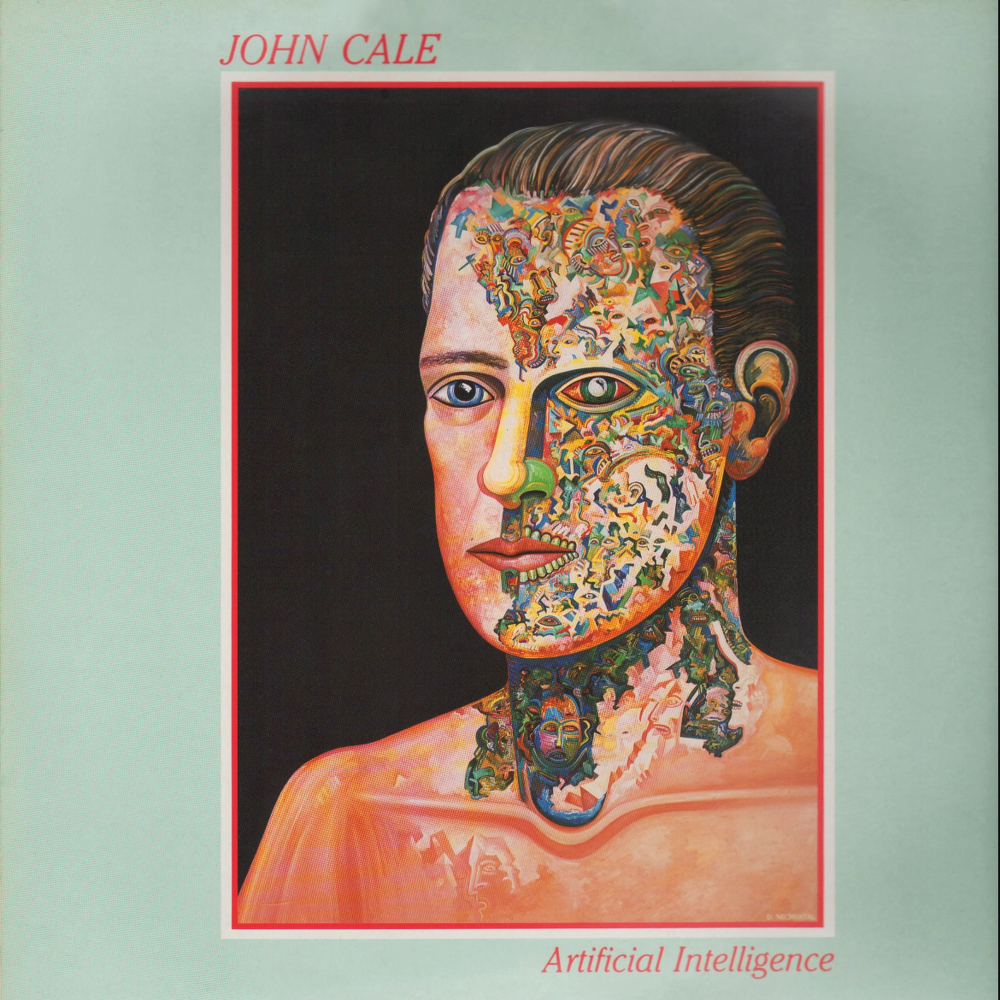
 View Artist