Song Meaning
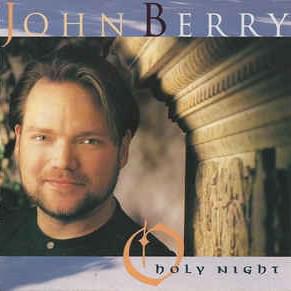
John Berry's rendition of "O Come All Ye Faithful" doesn't reinvent the wheel, nor should it. The enduring power of this Christmas hymn lies not in radical reinterpretation, but in its unwavering call to collective reverence. Berry's take understands this implicitly; it's a respectful, straightforward invitation, a sonic hand extended to a community united by faith and tradition. The lyrics themselves are a masterclass in communal exhortation, a repeated urging to "come and behold Him," to join in adoration. It’s less about individual piety and more about the shared experience of belief, the comfort and strength found in collective worship. The simplicity of the language—"joyful and triumphant"—belies the profound emotional resonance it holds for many.
Psychologically, the song taps into our innate desire for belonging. The repeated phrase "O come, let us adore Him" acts as a mantra, a hypnotic suggestion that dissolves the boundaries of self and merges the individual into a larger whole. This sense of unity is particularly potent during the Christmas season, a time often marked by both joy and a heightened awareness of loneliness or disconnection. Berry's version, like countless others, offers a balm for this potential psychic wound, a reminder that one is part of something bigger, something sacred. The call to sing with the "choirs of angels" isn't merely a lyrical flourish; it's an invitation to transcend earthly concerns and participate in a divine harmony.
The genius of "O Come All Ye Faithful," and by extension, Berry's faithful (pun intended) interpretation, rests on its ability to evoke a sense of timelessness. It’s a song that connects generations, a sonic link to the past that resonates with present-day anxieties and hopes. The focus on the birth of Christ, the "King of Angels," offers a narrative of hope and redemption, a promise of renewal that transcends the specific religious context. Whether one interprets the lyrics literally or metaphorically, the underlying message of hope, unity, and the possibility of something greater remains powerfully resonant. Berry's rendition wisely chooses not to obscure this fundamental truth with excessive ornamentation, instead allowing the inherent power of the hymn to shine through.
 View Artist