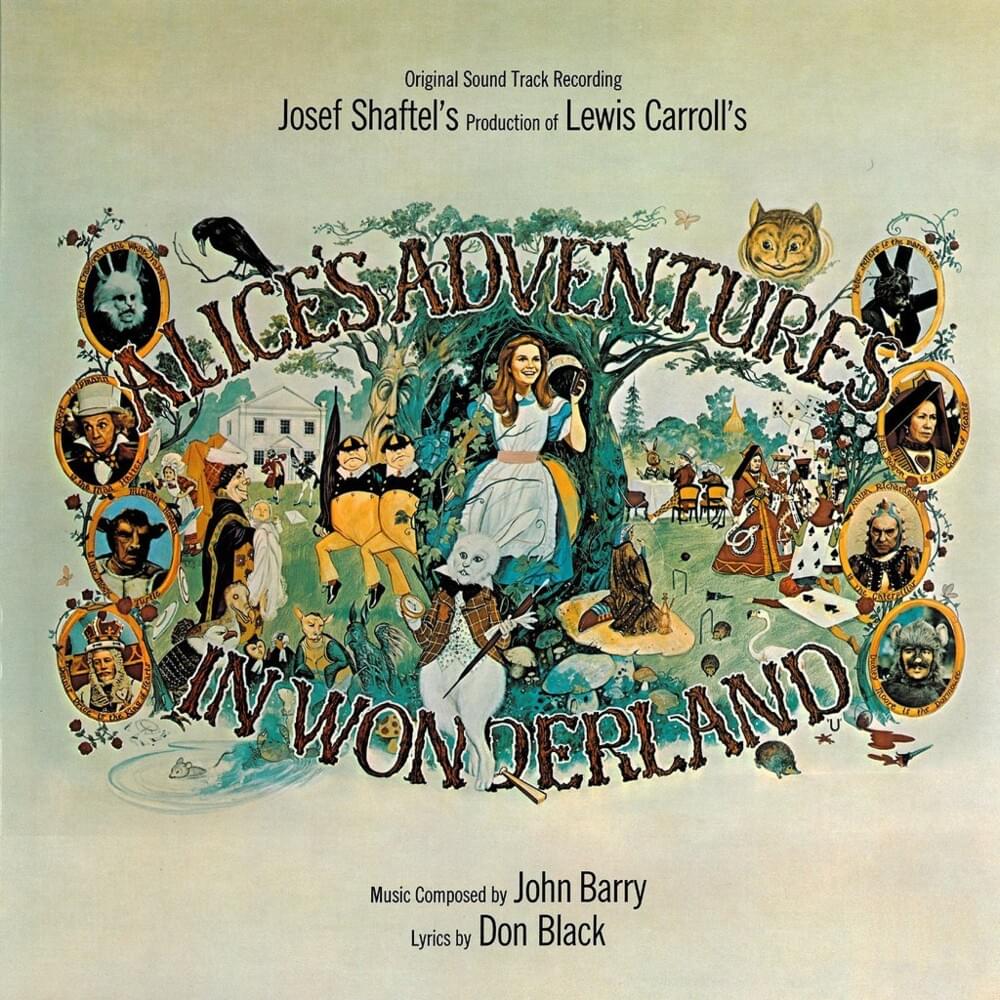
Song Meaning
John Barry's "CLOSE2YOU," with its curious lyrical detour into the world of Tweedledum and Tweedledee, presents a fascinating study in distraction and the fragility of conflict. The lyrics, seemingly lifted straight from Lewis Carroll's *Through the Looking-Glass*, offer a deceptively simple narrative about two characters poised for battle over a trivial matter. The core of the song meaning lies not in the initial dispute, but in its abrupt resolution. Barry uses the appearance of the monstrous crow as a catalyst, a sudden injection of external threat that instantly nullifies the pre-existing animosity between the two figures. It's a darkly humorous observation on the human (or, in this case, Tweedle-human) tendency to unite in the face of a common enemy, regardless of how petty their original grievances may have been.
The brilliance of the song rests in its economical storytelling. Barry doesn't belabor the point. He presents the scenario with a childlike directness, mirroring the source material. This simplicity allows the underlying psychological commentary to resonate more powerfully. Are we not all, at times, Tweedledum and Tweedledee, locked in meaningless skirmishes that pale in comparison to the larger, more menacing realities looming just outside our immediate awareness? The "nice new rattle" becomes a symbol of the ego's investment in the trivial, the crow a stark reminder of mortality and the fleeting nature of our concerns.
Furthermore, the song hints at the performative aspect of conflict. Tweedledum and Tweedledee *agreed* to have a battle, suggesting a ritualistic element to their dispute. Perhaps their quarrel was less about the rattle itself and more about the social dynamics of rivalry and one-upmanship. The crow, then, doesn't just offer a shared threat but also disrupts this established performance, forcing the characters to reassess their priorities. It's a miniature morality play about perspective, highlighting how easily we can become consumed by the insignificant while overlooking the truly significant. Barry uses the familiar imagery to deliver a surprisingly potent message about the human condition and our complicated relationship with conflict and fear.