Song Meaning
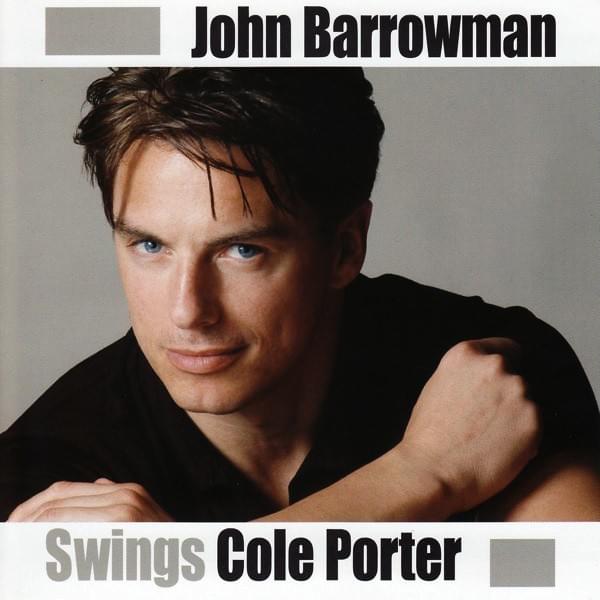
John Barrowman's rendition of "Don't Fence Me In" isn't just a cowboy anthem; it's a primal scream for autonomy, a yearning etched into the very soul of the American West. The song, at its core, is a rebellion against confinement, both literal and metaphorical. The repeated plea, "Don't fence me in," transcends the image of sprawling landscapes and becomes a demand for unrestricted self-expression and freedom from societal constraints. It speaks to a deep-seated human desire to resist being boxed in, categorized, or controlled. The 'land' isn't just real estate; it's the space to breathe, to think, to be.
The lyrics evoke a romanticized vision of the untamed frontier, where the individual reigns supreme. The imagery – starry skies, open country, cottonwood trees – paints a picture of boundless possibility. This romanticism, however, underscores a more profound psychological need: the desire to escape the perceived limitations of civilization. The horse, the saddle, the "Cayuse," aren't merely modes of transportation; they are symbols of self-reliance and the power to chart one's own course. The longing to "wander over yonder" and "gaze at the moon till I lose my senses" suggests a yearning for transcendence, a desire to break free from the mundane and connect with something larger than oneself.
Ultimately, "Don't Fence Me In," as interpreted by Barrowman, resonates because it taps into a universal human experience: the struggle between the individual and the forces that seek to define or limit them. Whether those forces are societal expectations, personal relationships, or even internal doubts, the song serves as a powerful reminder of the importance of maintaining one's sense of self and resisting the urge to conform. The song's enduring appeal lies in its simple yet profound message: that the human spirit, like the wide-open West, should remain forever unfenced.
 View Artist