Song Meaning
John Barrowman's rendition of "Anyone Can Whistle" isn't just a jaunty tune; it's a poignant exploration of vulnerability masked by bravado. The central paradox—the inability to perform a seemingly simple act—becomes a metaphor for the struggle to access authentic self-expression. Barrowman, known for his charismatic stage presence, uses the song to peel back layers of performance, revealing a yearning for uninhibited freedom. The repeated assertion that "anyone can whistle" throws the singer's personal failure into stark relief. It’s not about the physical act of whistling, but the emotional block preventing it. The lyrics hint at a life lived according to learned skills and expectations ("I can dance a tango, I can read Greek"), where mastering complex tasks is easier than embracing a spontaneous, unguarded moment.
The song's meaning deepens with the realization that what seems simple is, in fact, profoundly difficult. The line "What's hard is simple, what's natural comes hard" encapsulates this central tension. It speaks to the human tendency to overcomplicate emotions, to build defenses against vulnerability. The request, "Maybe you could show me how to let go," transforms the song into a plea for connection and guidance. It's an admission of weakness, a desire to shed the armor of accomplishment and learn to be present and unselfconscious.
The repetition of the final verses, "Maybe if you whistle, whistle for me," underscores the longing for a catalyst. The whistle becomes a symbol of liberation, a call for someone to unlock the singer's stifled emotions. It's an invitation to witness and facilitate a breakthrough. In the context of Barrowman's career, known for its theatricality and larger-than-life characters, "Anyone Can Whistle" takes on an added layer of depth. It suggests that even those who appear effortlessly confident may grapple with the most fundamental aspects of human experience: the freedom to be oneself without reservation.
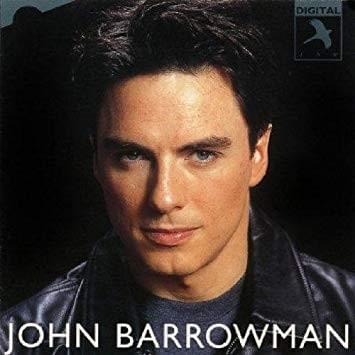
 View Artist