Song Meaning
This poem opens with a direct address, immediately establishing a sense of intimate, if elusive, connection. The narrator observes someone looking out a window, caught in a state of near-possession: "You have it but you don't have it." This creates a palpable tension, a feeling of something desired but just out of reach, mirrored in the mutual "miss" between the speaker and the addressee. The initial scene is one of quiet observation, tinged with a subtle longing.
The core emotional conflict arises from the poem's unrequited desire for connection. "The poem is sad because it wants to be yours, and cannot." This line reveals a profound sense of separation, a yearning for belonging that remains unfulfilled. The poem itself is personified, experiencing a form of emotional distress, highlighting the difficulty of bridging the gap between language and genuine human experience. The question "What's a plain level?" suggests a search for a fundamental, accessible ground for understanding that proves elusive.
The most striking aspect of the craft is the constant play with presence and absence, and the blurring of identities. The poem declares, "The poem is you," collapsing the distinction between the text and the reader, or the object of the speaker's attention. This is further complicated by the idea that the addressee "exist[s] only / To tease me into doing it," implying a dynamic where the other person's very being provokes the speaker's actions, only to then withdraw or change. This creates a dizzying effect, questioning the nature of agency and the stability of relationships.
Ultimately, the lyrics resonate because they capture the frustrating, often paradoxical nature of communication and desire. The poem's inability to fully connect, its sadness, and its shifting identities are not just abstract concepts but felt experiences. The writing skillfully uses these paradoxes to evoke a sense of yearning and the inherent difficulties in truly possessing or being possessed by another, or even by language itself.
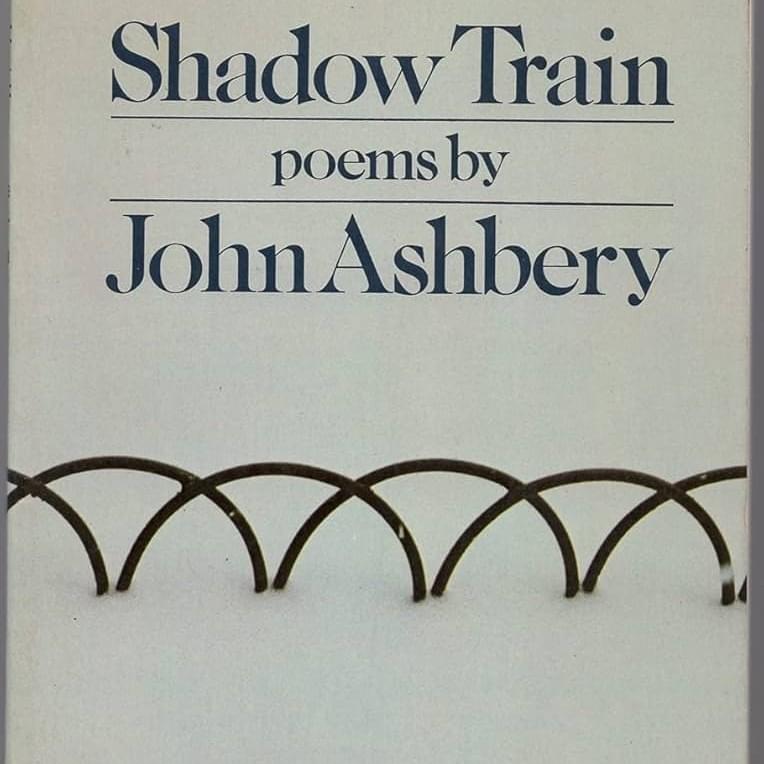
 View Artist