Song Meaning
John Anderson's "I Love You a Thousand Ways" isn't just a simple declaration; it's a heartfelt promise born from regret. The lyrics paint a picture of a man acutely aware of past failings, a man now desperately trying to reassure his partner of his unwavering love. The core sentiment revolves around redemption and the desire to make amends, with the repeated chorus acting as both a vow and a plea for a second chance. The phrase "I'll prove it in days to come" suggests that trust has been broken, and words alone are no longer sufficient. He understands actions speak louder. He's ready to rebuild.
The verses support this idea. Lines like "You're my darling, you've been true / I should have been good to you" reveal a deep-seated guilt and recognition of his shortcomings. There's an admission of causing her pain ("I've been so blue and lonesome every day"), implying that his actions have not only hurt his partner but also taken a toll on himself. This shared suffering adds another layer to the song's meaning, suggesting that reconciliation is not just about appeasing his partner but also about healing himself. He acknowledges her consistent love, contrasting it with his past behavior. The "I'll be nice and sweet to you / And no more will you be blue" verses are simple, yet carry the weight of a promise to change.
The repetition of "I love you and I'll prove it a thousand ways" underscores the depth of his commitment. It's not just a fleeting emotion, but a dedication to demonstrating his love through consistent actions and unwavering devotion. The final chorus, "So darling, please wait, please wait and you will see / There'll be a change, a great change made in me," is the most vulnerable moment in the song. He's not just promising to do better; he's acknowledging the need for fundamental personal transformation. The success of "I Love You a Thousand Ways" hinges on whether this transformation is believable – whether the listener senses genuine remorse and the potential for lasting change. The song’s meaning ultimately rests on the hope that love and commitment can overcome past mistakes and pave the way for a brighter future.
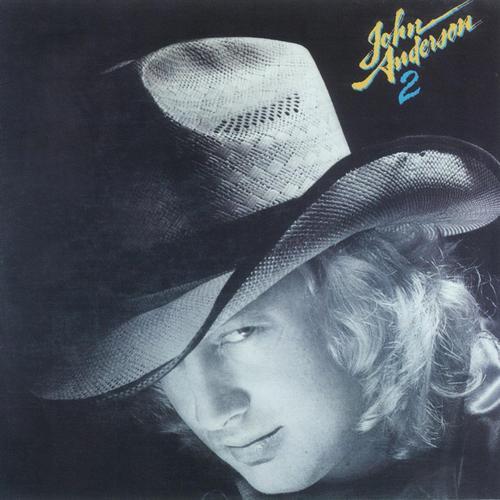
 View Artist