Song Meaning
John Anderson's "A Honky Tonk Saturday Night" isn't just a simple country tune; it's a sly sociological observation wrapped in a danceable melody. The song's meaning hinges on the blurred lines of morality and intention that define a particular kind of Saturday evening. Anderson paints a picture where "angels and devils share the same tables," suggesting that the honky-tonk is a space where societal norms are suspended, and everyone is free to pursue their desires, whether noble or base. This is a temporary ecosystem governed by the primal urges of attraction and escape. It's a weekly ritual, a performance of desire and chance. The lyrics present a world where identity is fluid.
The chorus, the engine of the song, reinforces this theme of possibility and potential. "It's not who is who, it's who will or who might" – this is the core of the song's meaning. The honky-tonk becomes a theater of possibility, where social status and past deeds are less important than the immediate pursuit of connection. The repeated line about hoping to "take her home 'fore they turn out the lights" adds a layer of urgency and vulnerability. It acknowledges the fleeting nature of these encounters, the awareness that the magic of the night is temporary and conditional.
Beyond the surface-level narrative of a Saturday night out, "A Honky Tonk Saturday Night" subtly explores the human need for connection and the compromises people make in its pursuit. The reference to Merle Haggard isn't just a nod to a country legend; it's an acknowledgment of the shared cultural touchstones that bind these individuals together. It's a reminder that even in the most seemingly chaotic environments, there's a sense of community and shared experience. The song's brilliance lies in its ability to capture the complex emotional landscape of a seemingly simple night out, turning a honky-tonk into a microcosm of human desire and social interaction.
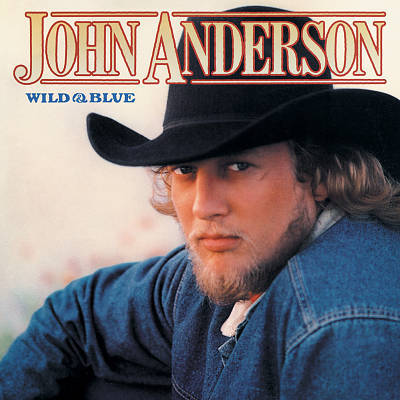
 View Artist