Song Meaning
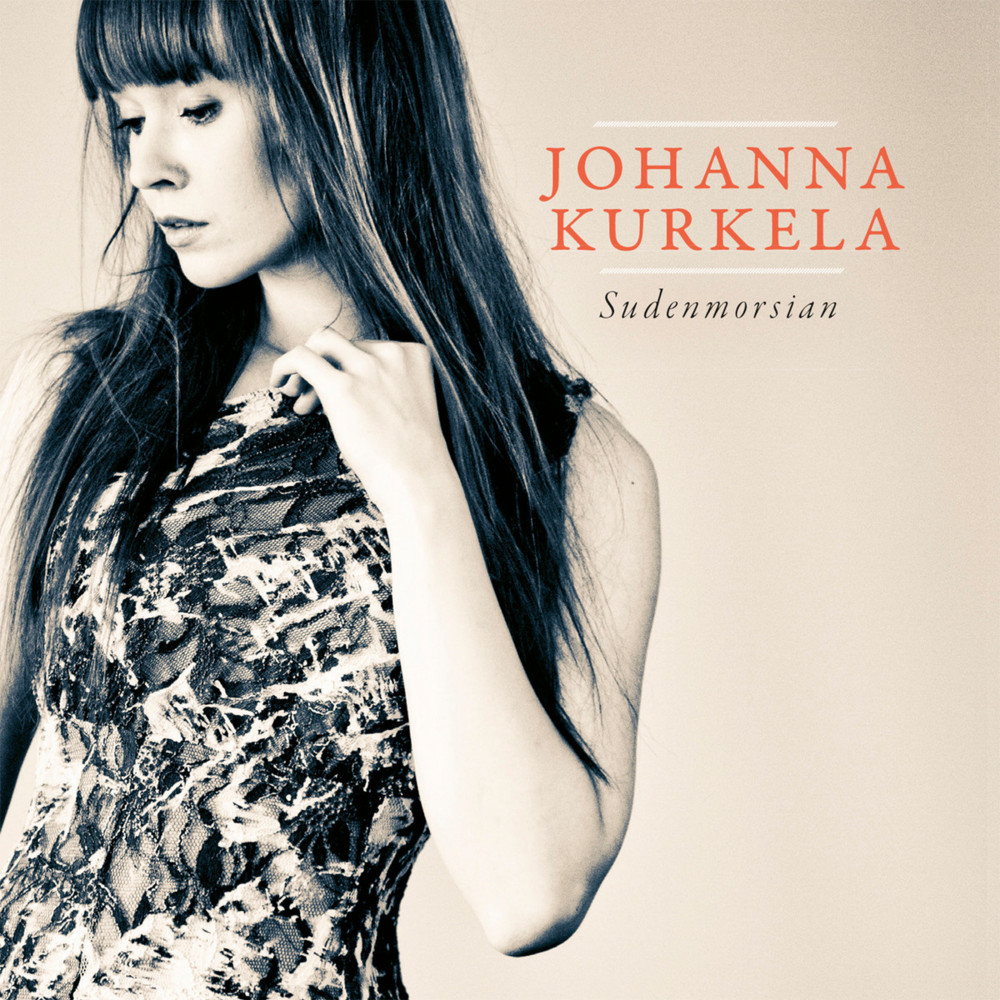
Johanna Kurkela's "Sudenmorsian" unfurls as a stark portrait of longing and acceptance, a study in the push and pull of a love defined by absence. The title itself, translating to "Wolf's Bride," hints at a relationship with something untamed, a partner whose inherent nature resists domesticity. The song doesn't wallow in simple heartbreak; it excavates the complex emotional terrain of loving someone whose spirit perpetually drifts. The opening verses paint a picture of domestic isolation. In a building teeming with life ("kerrostaloja"), only her apartment remains dark, a visual marker of her solitude. The neighbors gossip, a familiar societal pressure on women to couple and conform. Yet, the core issue isn't societal expectation, but the internal struggle to reconcile her desires with her lover's restless soul. She is waiting for a "sulhastaan" (groom), but he is not present. The poignant line, "Ja neito oottaa sulhastaan" (And the maiden waits for her groom), recurs as a melancholic refrain, underscoring the expectation of commitment juxtaposed with the reality of his absence. The song's brilliance lies in its unflinching gaze at this paradox.
The recurring image of the "Sudenmorsiammen kyyneleillä peitelty on pitkä tie" (The long road covered by the Wolf's Bride's tears) is potent. The road represents the journey of their relationship, paved not with shared experiences, but with the bride's sorrow. Yet, the lyrics also suggest a paradoxical comfort: this tear-soaked path, born of pain, will still lead him home, however temporarily. The lyrics suggest an understanding that his returns are fleeting, stolen moments before "yö ja aina se vie sut, vie sut vaan" (the night always takes you away). This isn't a tale of betrayal or abandonment in the traditional sense. It's an acceptance of his nature, an acknowledgment that his wandering spirit is integral to who he is, even if it causes her pain.
Ultimately, “Sudenmorsian” transcends mere lament. The bridge signals a shift from passive waiting to active understanding. The lines “Vaikken tahtoisi luovuttaa / En mä voi enää muutakaan / Vihdoin kaiken mä selvin silmin nään” (Even if I didn't want to give up / I can't do anything anymore / Finally I see everything clearly) mark a moment of clarity. She recognizes the futility of trying to confine him, acknowledging, "Sun täytyy jatkaa sun matkaasi / Eikä se jatku mun kanssani" (You must continue your journey / And it doesn't continue with me). The finality of “Mene vain mutta tänne minä jään” (Just go, but I'll stay here) is not defeat, but a quiet strength. It's a declaration of self-preservation, a decision to remain grounded even as the one she loves continues to roam. The song, therefore, becomes an anthem of bittersweet resilience, a testament to the capacity to love deeply while simultaneously releasing one's grip.
 View Artist