Song Meaning
Johanna Kurkela's "Kivet kertokaa" isn't just a song; it's a quiet, existential plea whispered into the ageless ears of stone. The Finnish title, translating to "Tell me, stones," immediately sets the stage for a search for grounding, a yearning for ancient wisdom in the face of modern anxieties. The core question – where can peace be found? – resonates with anyone who's ever felt adrift, a universal sentiment amplified by Kurkela's ethereal vocals. The repeated entreaty to the stones suggests a desire to tap into something immovable, a source of truth that predates human turmoil. Is surrender a victory? Can joy truly inhabit me? These are not simple queries; they are the bedrock of the human condition, posed to silent, enduring witnesses. This lyrics analysis quickly reveals the song's depth.
The image of being "peukaloisen mittainen" – thumb-sized – is particularly potent. It speaks to a feeling of insignificance, a humbling awareness of one's place in the vastness of time and the universe. This vulnerability is crucial; it's the prerequisite for truly listening, for opening oneself to the subtle whispers of the world around us. The stones, with their "ears that have heard everything" and "eyes that have seen everything," become repositories of collective memory, silent confidantes who hold the weight of history. There's a sense of seeking solace not in grand pronouncements, but in the quiet observation of the natural world.
Ultimately, "Kivet kertokaa" finds meaning in the transient nature of suffering. The image of a tear on the stone's surface, refracting a thousand colors before eventually drying, is a powerful metaphor for the ephemeral nature of pain. It acknowledges the intensity of emotion while simultaneously reminding us of its impermanence. The act of listening, of truly paying attention to the wisdom embedded in the landscape, becomes a pathway to acceptance and a quiet understanding of our own fleeting existence. Kurkela doesn't offer easy answers, but a space for contemplation, a moment of stillness in a world that rarely allows it. The stone, in its silence, offers not solutions, but perspective.
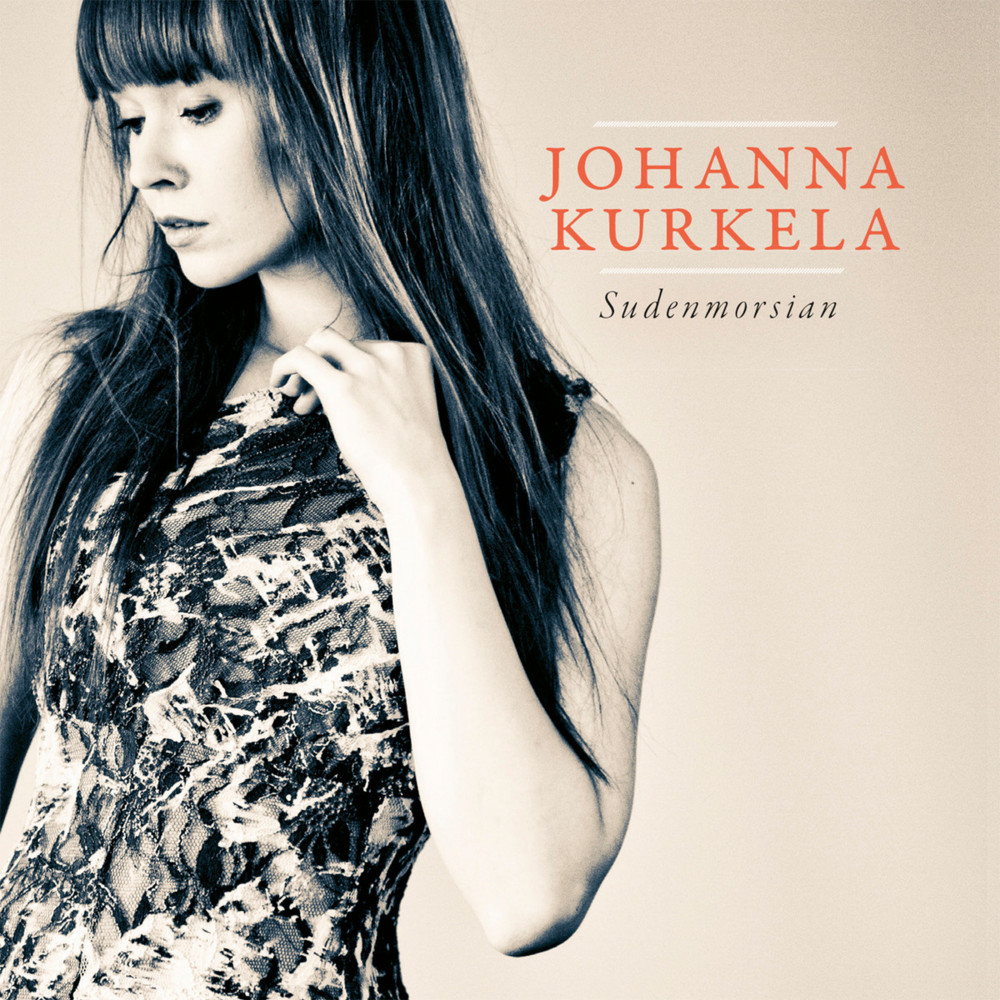
 View Artist