Song Meaning
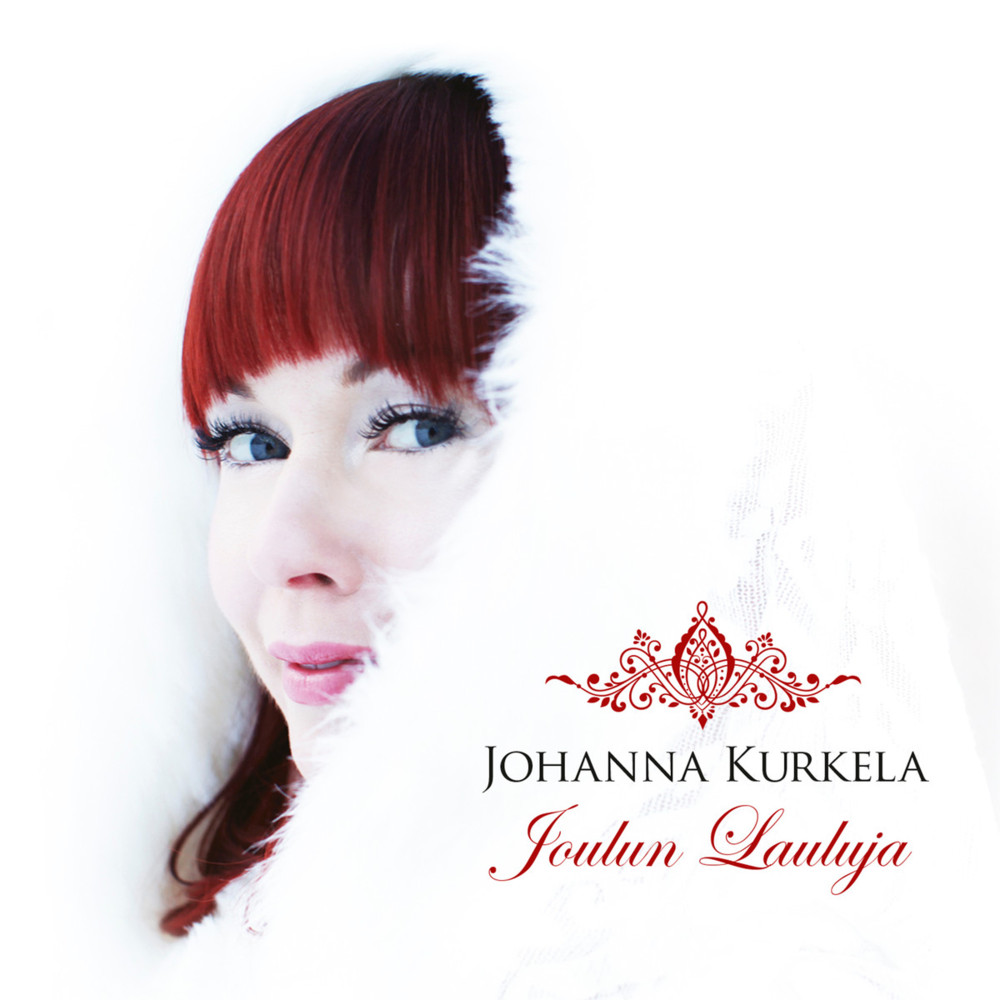
Johanna Kurkela's rendition of "Jouluyö, juhlayö" (Silent Night) isn't just a carol; it's a carefully constructed emotional architecture. The Finnish lyrics, while directly translating the familiar narrative of Christmas Eve, resonate with a deeper, almost primal understanding of hope and exhaustion. The opening verse, depicting the parents watching over their sleeping child, isn't merely sentimental; it's a stark acknowledgement of the quiet labor, the 'päättynyt kaik on työ' (all work is done), that precedes moments of grace. It's the lull in the storm of life where genuine connection flickers. The repetition of 'Seimikätkyessään' (in the manger cradle) acts as a meditative anchor, drawing us back to the singular image of vulnerable new life.
The second verse shifts perspective to the shepherds, the working class recipients of divine news. This isn't a song for kings or scholars, but for those on the margins, those 'paimenil yksin työ' (shepherds alone at work). The angel's proclamation isn't just about religious dogma; it's about the radical notion that joy, 'Suuri koittanut riemu on teill' (great joy has dawned for you), is available even in the most humble circumstances. Kurkela's interpretation avoids saccharine sweetness, instead highlighting the earthy, almost revolutionary promise embedded in the original story.
Ultimately, "Jouluyö, juhlayö" aims for transcendence, resolving in a prayer for peace and goodwill. The final verse, 'Olkoon kunnia Jumalalle / Maassa rauha, myös ihmisille' (Glory to God / Peace on earth, also to men), is a yearning for a world where divine glory manifests as tangible human connection. It's a reminder that the quiet miracle of Christmas isn't just a historical event, but a continuous possibility – a potential for 'suosio suur' (great favor) to reshape our relationships and our world. Kurkela's vocal delivery, known for its clarity and emotional depth, amplifies this sense of yearning, making the familiar carol a potent reminder of the transformative power of hope amidst weariness.
 View Artist