Song Meaning
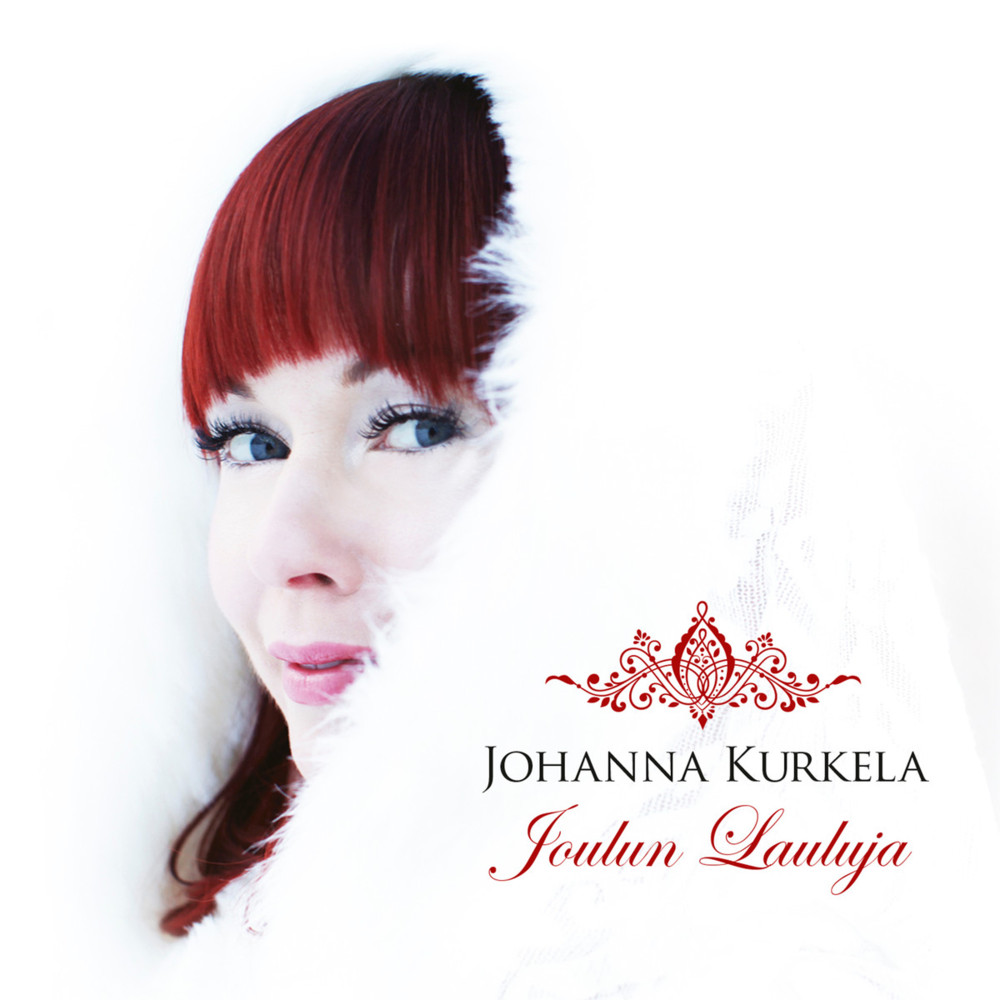
Johanna Kurkela's "Heinillä härkien kaukalon" isn't just a song; it's a hushed, reverent meditation on the paradox of divinity cloaked in vulnerability. Sung in Finnish, the title translates to "In the manger of oxen, on hay." Immediately, the lyrics juxtapose the humble, almost brutal image of a livestock's feeding trough with the profound innocence of a sleeping child – the Christ child. This stark contrast forms the emotional bedrock of the song's meaning. It's a lullaby, yes, but one laced with the quiet shock of recognizing immense power in its most fragile form.
The recurring phrase, "Enkelparven tie / Kohta luokse vie / Rakkautta suurinta katsomaan" (The path of the host of angels / Soon leads to / To see the greatest love), acts as a celestial guide, drawing the listener closer to the heart of the mystery. It suggests that this scene – the baby in the manger – is not merely a historical event but a continuous invitation to witness a love so immense it defies comprehension. The lyrics progress, subtly hinting at the life that awaits this child: "Helmassa äitinsä armahan / Nukkuu poika jumalan" (In the lap of his dear mother / Sleeps the son of God) foreshadows his destiny.
What elevates "Heinillä härkien kaukalon" beyond a simple Christmas carol is its unflinching portrayal of the divine existing amidst the mundane and even the grotesque. The final verse, "Ristillä rinnalla ryöväri / Nukkuu uhri puhtahin" (On the cross beside a robber / Sleeps the purest sacrifice), is a gut punch. The innocent child in the manger is now the ultimate sacrifice, juxtaposed with a common criminal. This image encapsulates the song's core message: that true love, true divinity, is often found not in palaces or triumphs, but in the places of deepest suffering and sacrifice. The song's meaning, therefore, resides in this potent and unsettling contrast, forcing a confrontation with the uncomfortable truth that profound love and profound suffering are inextricably linked.
 View Artist