Song Meaning
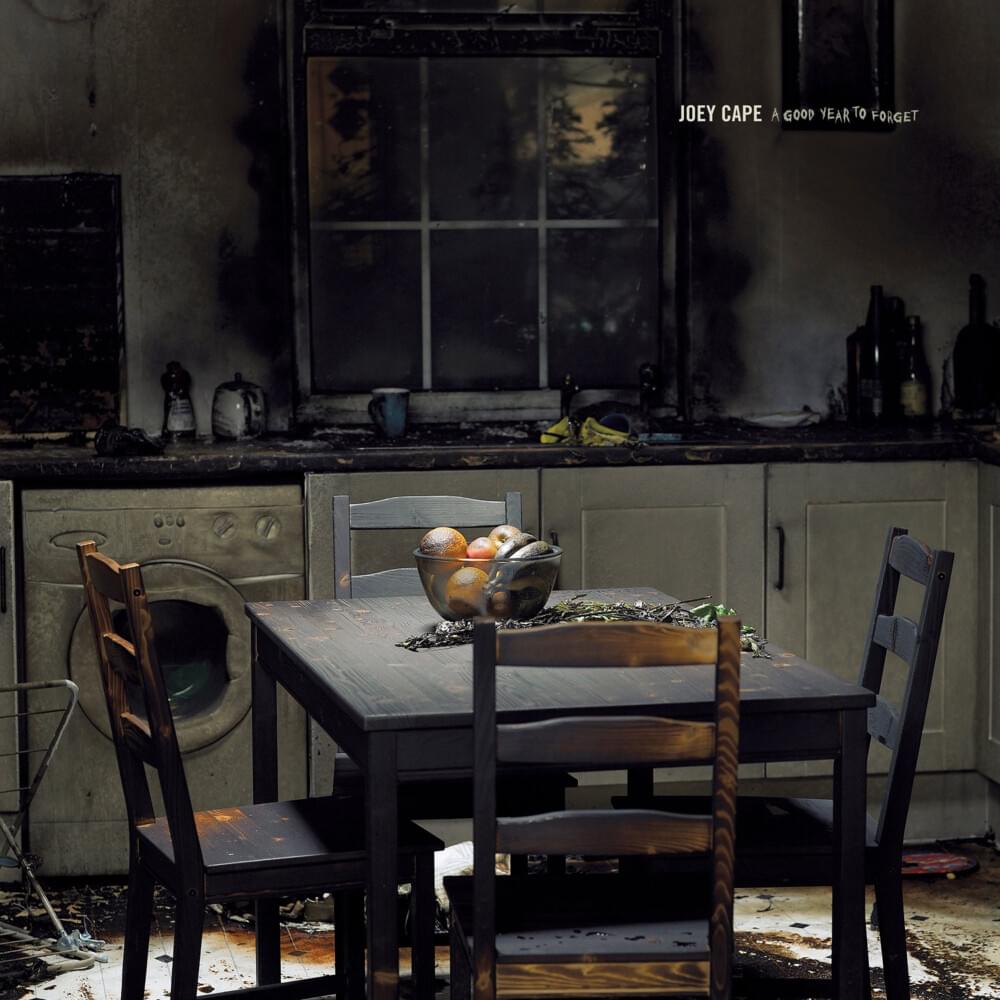
Joey Cape's "Under the Doormat" is a masterclass in emotionally claustrophobic songwriting, a raw and unflinching look at the slow, agonizing decay of a relationship. Cape uses the image of being "under the doormat" not as a singular event, but as a metaphor for the gradual erosion of self within a partnership gone sour. It's a space of forgotten promises and festering resentments, a place where the joy of connection has been replaced by the stifling weight of unspoken grief. The lyrics paint a picture of domestic neglect – "pen cap-less abandon throughout the house dry from neglect" – highlighting how small, seemingly insignificant details can become potent symbols of a deeper malaise. These aren't just annoyances; they're symptoms of a dying love. The "mold spores smell of death" isn't mere hyperbole; it's the literal and figurative rot consuming the foundation of their shared life. This song meaning goes deeper than just a breakup song.
The repeated plea, "Give up the enemy / I wanna give up the enemy," is the heart of the song's psychological tension. Cape acknowledges that neither party is inherently malicious, recognizing the shared responsibility in their predicament. It’s a desperate yearning to break free from the cycle of blame and defensiveness, to rediscover a shared humanity that has been buried beneath layers of hurt and disappointment. The line, "Our loved ones cry, though no one died / Just adjust their ties and connect the lies," is particularly cutting, highlighting the performative aspect of grief and the uncomfortable truth that sometimes relationships die long before the individuals involved do. The promises made, symbolized by the "promise rings," become "melted antique dreams," worthless relics of a future that will never be.
Ultimately, "Under the Doormat" is about the painful process of letting go, even when a part of you desperately wants to hold on. The final lines, "I don't wanna leave, but I have to leave," encapsulate this internal conflict. It's a recognition that sometimes the most loving act is to walk away, to salvage what remains of your own self-worth from the wreckage of a broken bond. Cape doesn’t offer easy answers or saccharine resolutions; instead, he leaves us with the lingering ache of a love lost, a stark reminder of the quiet tragedies that unfold behind closed doors.
 View Artist