Song Meaning
The lyrics paint a poignant picture of the sea turtle, referred to affectionately as "Manong Pawikan," carrying its home on its back. The narrator questions where these creatures can find a place to rest on the land they've always known. This immediately sets a tone of displacement and a search for belonging, highlighting the vulnerability of nature against human encroachment.
The central tension arises from the contrast between the turtle's natural resilience and the narrator's own existential struggle. While the turtle endures the waves and currents, its freedom is found in the vast ocean, diving deep. The narrator, however, feels weighed down by a different kind of burden, one tied to ownership and land. The lyrics suggest a shared predicament: "Tayo ba'y magkaangkan? / Ako ma'y may tahanan / Subalit walang mapaglagyan." This question of kinship underscores a shared feeling of not having a true home, despite having a dwelling.
The most striking aspect is the narrator's plea for guidance. They ask the turtle to teach them "Kung ano ang paraan / Na ang mabigat ay gumagaan." This is a profound request, seeking wisdom from a creature that carries its home effortlessly. The lyrics then reveal the source of the narrator's burden: the land they came from is now "ari-arian" (property), fenced off with titles and documents. This privatization of ancestral land creates a deep sense of alienation and loss, making the narrator's struggle to find a place to belong all the more acute.
Ultimately, the effectiveness of these lyrics lies in their simple yet powerful juxtaposition. By framing the narrator's complex feelings of displacement and alienation through the lens of the sea turtle's physical journey, the song creates an emotional resonance. The turtle's ability to navigate the deep sea, contrasted with the narrator's inability to find peace on their own land, makes the plea for guidance feel deeply personal and universally understood by anyone who has felt adrift or dispossessed.
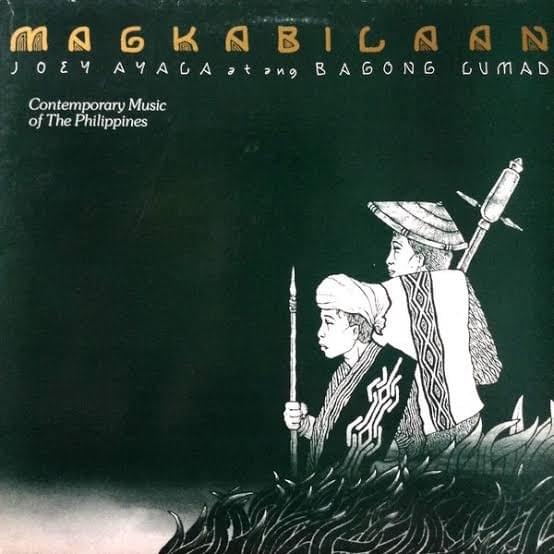
 View Artist