Song Meaning
The lyrics paint a picture of profound isolation, where the narrator declares, "Nobody's heart belongs to me." This isn't just about romantic absence; it's a sweeping statement of not being claimed or possessed by anyone. The repeated "Heigh-ho, who cares?" initially sounds like a defiant shrug, a dismissal of this loneliness. However, the shift to "Heigh-ho, that's bad" later on reveals the underlying pain beneath the forced nonchalance.
The central tension lies in the narrator's attempt to reframe their solitude as freedom versus the undeniable sting of being unloved and unchosen. They assert, "it's not bad at times to go your own sweet way," yet this is immediately undercut by the lament that "Love's never sung her songs to me" and a feeling of being utterly untested in relationships: "I have never been had." The imagery of a "violin that no one's ever played" powerfully captures this sense of unused potential and inherent worth that remains unrecognized.
The narrator's relationship with the moon serves as a striking barometer of their emotional state. Initially, they admire it simply "As a moon," a detached, objective appreciation. But as the loneliness deepens, this observation sours into disdain: "I despise the moon / As a moon / It's a prune." This transformation from simple observation to bitter judgment highlights how internal desolation can warp perception, turning something neutral into an object of contempt.
Ultimately, the effectiveness of these lyrics stems from their raw, unvarnished portrayal of emotional detachment and the subtle unraveling of a self-imposed stoicism. The contrast between the outward "who cares?" and the inward "that's bad" creates a palpable sense of vulnerability. The specific, almost childlike metaphors like the unplayed violin and the moon-turned-prune make the abstract pain of isolation feel intensely personal and deeply felt.
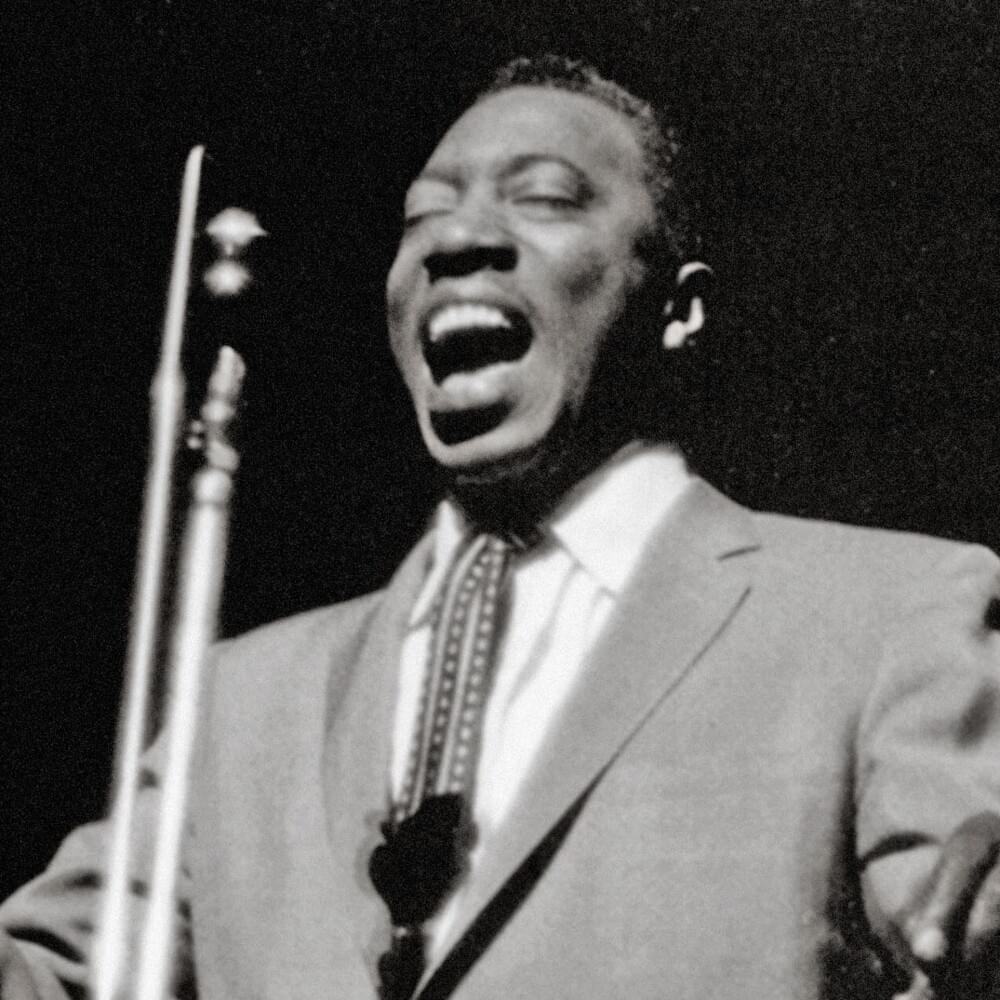
 View Artist