Song Meaning
The narrator is drowning in grief after a lost love, a pain so profound it feels like a physical torment. He’s trapped in a cycle of yearning and despair, with his world turned upside down from joy to sadness. The lyrics paint a picture of someone utterly consumed by a love that’s now gone, leaving him in a state of perpetual ache. He feels like a "slave to her kiss," desperately wishing for freedom but unsure where to turn.
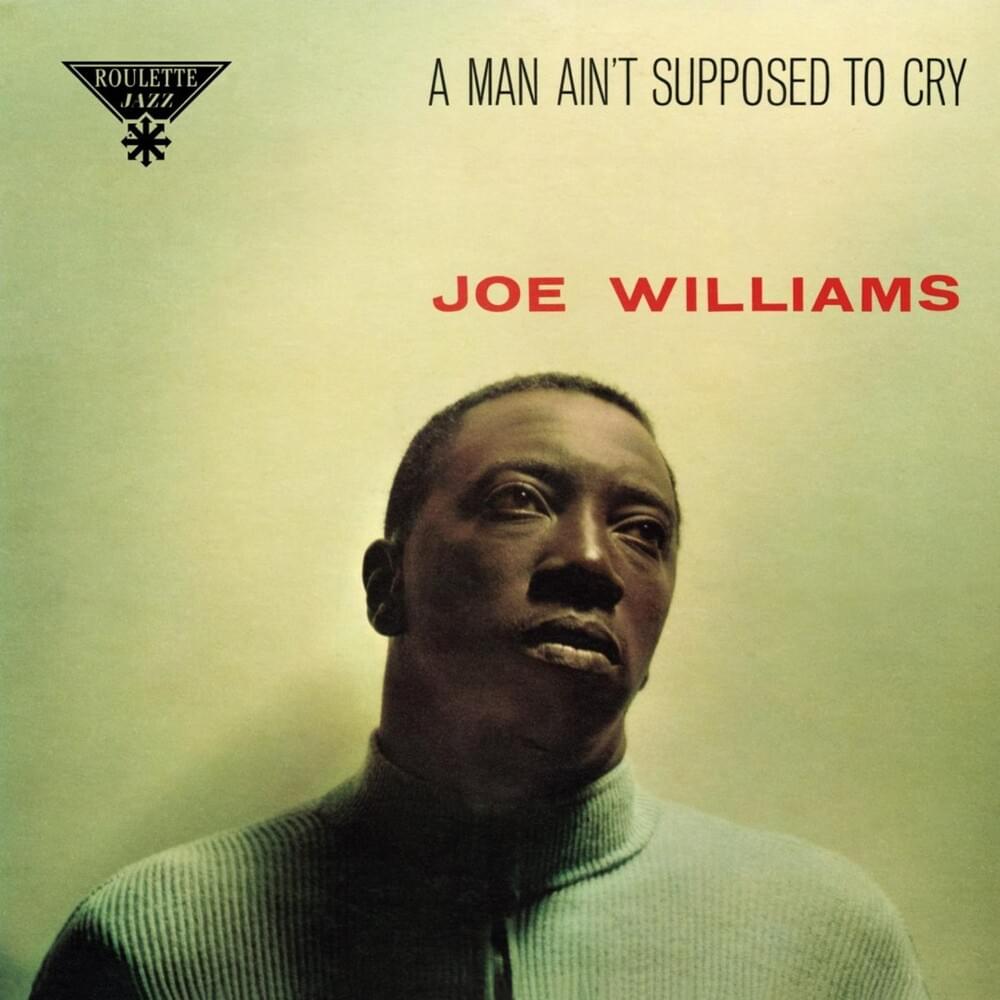
This intense emotional suffering is directly contrasted with a rigid societal expectation: "a man ain't supposed to cry." The narrator acknowledges his own deep sorrow, stating "All my eyes could weep," yet he feels compelled to suppress it. The lyrics explicitly draw a line between genders, noting "Woman's right to tears will be her's," reinforcing the idea that his pain is somehow illegitimate or unacceptable because he is a man. This internal conflict between genuine heartbreak and the imposed stoicism is the core of the song's tension.
The most striking aspect of the writing is the relentless repetition of the phrase "a man ain't supposed to cry." This refrain acts as both an external societal voice and an internal censor, constantly reminding the narrator of his perceived obligation. The lyrics also use stark contrasts like "where there was joy, now there is sadness" and the burning of his love against her "cold" affection to emphasize the depth of his loss and the suffocating nature of his current emotional state. The imagery of yesterday "haunt[ing] me" suggests a past that refuses to stay buried, fueling his present misery.
Ultimately, the effectiveness of these lyrics lies in their raw portrayal of a man battling a deep emotional wound while simultaneously fighting against a deeply ingrained cultural script. The simple, direct language and the insistent repetition of the central theme make the narrator's struggle feel both personal and universally understood by anyone who has felt the pressure to hide their pain. It’s this collision of inner turmoil and outer expectation that gives the song its poignant, heart-wrenching power.
 View Artist