Song Meaning
Joe South's "Play It Cool" is less a celebration of stoicism and more a desperate plea for self-preservation. Stripped down to its core, the song meaning revolves around a heart on the verge of re-entering a danger zone it knows all too well. The opening, seemingly lighthearted "Down down, dooby doo," acts as a deceptive curtain, quickly pulled back to reveal the raw vulnerability beneath. It's a sonic representation of whistling past the graveyard, a fragile attempt to mask the anxiety that permeates the entire track. The repetition of "Oh heart, you fool, please play it cool" isn't an instruction delivered with confidence; it's a mantra born of fear, a fragile shield against the potential for renewed heartbreak.
The lyrics themselves paint a stark picture of past trauma: "You tried before, she lied before, our love died before, I cried before." This isn't just a summary of a bad relationship; it's an acknowledgment of a deeply ingrained pattern. The heart, personified as a naive and impulsive entity, is prone to repeating mistakes. The core conflict lies in the tension between the yearning for connection and the self-awareness of potential pain. The speaker isn't advocating for emotional detachment as a lifestyle, but rather begging for a temporary reprieve, a tactical retreat to avoid further devastation. The "golden rule" mentioned is not specified, but it's probably the heart's desire to love fully.
The bridge, a simple "La-la, la-la-da-da-da," provides a brief, almost childlike moment of escapism before diving back into the cycle of fear and self-admonishment. This musical interlude acts as a psychological break, a fleeting attempt to distract the heart from its impending vulnerability. But the respite is short-lived, as the song quickly returns to the central plea: "Oh heart, little heart, my heart, please play it cool." Ultimately, "Play It Cool" is a poignant exploration of the human tendency to both crave and fear intimacy, a battle waged within the confines of one's own heart. It's a reminder that sometimes, the bravest act is not to leap into love, but to cautiously guard oneself from repeating past hurts.
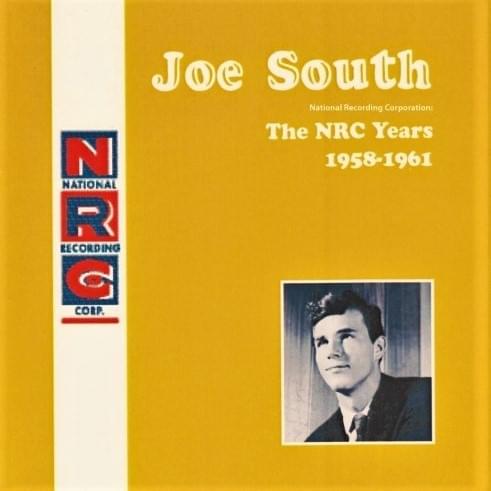
 View Artist