Song Meaning
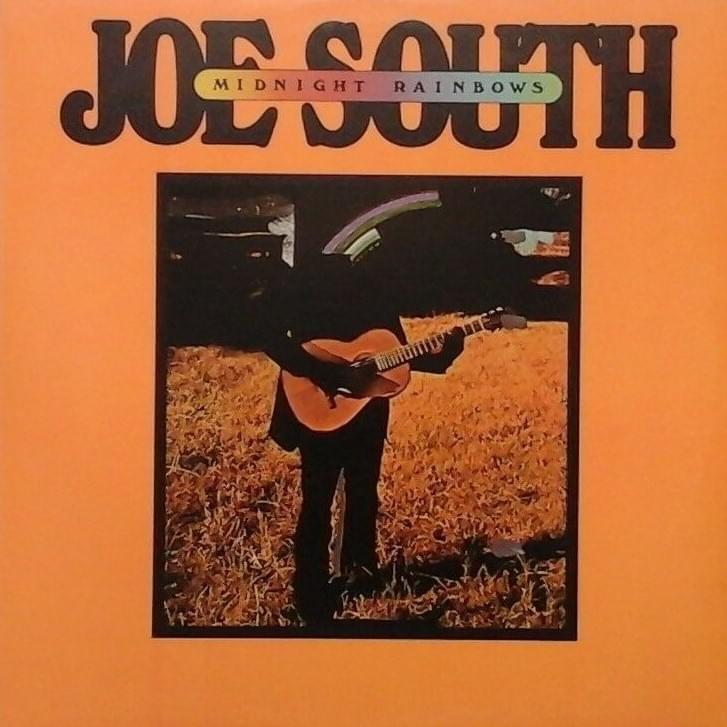
Joe South's "My Fondest Memories" (especially this "Midnight Rainbows" version, implying a late-career revisitation) isn't just nostalgia; it's an exercise in psychological preservation. The lyrics aren't fixated on grand achievements, but rather the minutiae of a life lived: "dusty school yearbook," "funny photographs." These aren't simply recollections; they are the talismans that anchor us to our past selves. South understands that identity is a fragile construct, constantly threatened by the erosion of time and experience. By actively engaging with these seemingly insignificant artifacts, we reaffirm our continuity, stitching together the fragmented pieces of who we once were. The song subtly suggests that these aren't just *his* fondest memories, but the very building blocks of his self.
The second verse shifts from observation to a more active engagement with the past, acknowledging the inevitable struggles and failures inherent in the human condition. "We stumbled, and we fell / Got up and still gave it hell" isn't a boast of resilience, but a quiet acknowledgement of the shared human struggle. The phrase "Rememb'rin' how you cried / When all these echoes died" is especially poignant; it suggests a mourning for lost potential, for dreams that faded with time. Yet, even within this acknowledgement of loss, there's a sense of acceptance. The memories, both joyful and painful, persist; they "remain."
Ultimately, the song's meaning lies in its understanding of how we curate our past to navigate the present. South isn't simply reminiscing; he's actively constructing a narrative that provides solace and meaning. It's a recognition that our fondest memories aren't just happy accidents, but deliberate acts of self-preservation, shields against the uncertainties of the future. "My Fondest Memories" becomes a blueprint for emotional survival, a testament to the power of personal history in shaping our sense of self.
 View Artist