Song Meaning
The narrator is facing a moment of profound, almost sacrificial, generosity. The sun sinking low and the hour getting late signal an ending, a point of no return for the person they're addressing. This individual is in deep trouble, having exhausted all other options and pushed away everyone else, yet the narrator still offers something vital – their blanket – despite the personal cost. It's a gesture born from a place of deep, perhaps unconditional, love, even after being treated poorly.
The core tension lies in the narrator's unwavering support for someone who seems to have brought their downfall upon themselves. The repeated phrase "You've no one left to blame" highlights the recipient's self-inflicted predicament. Yet, the narrator's response isn't condemnation but a continued offering of comfort, encapsulated in the plea, "Won't you take my blanket and go." This act feels like a final lifeline, a way to ease the recipient's suffering even as they are being let go.
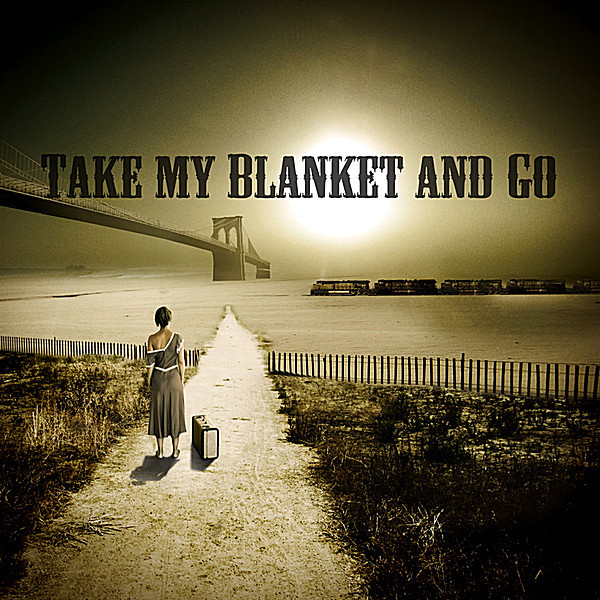
The most striking element is the symbolic weight of the blanket. It's not just an object; it represents comfort, security, and perhaps the narrator's own warmth and protection. The repeated refrain "Won't you take my blanket and go" is a heartbreaking paradox: an act of giving that is also an act of separation. The narrator has "nothing else in my hands" after this, signifying the completeness of the gift and the finality of the departure.
This lyric's power comes from its raw portrayal of love that persists even in the face of betrayal and self-destruction. The narrator’s quiet resignation and the simple, repeated offer of the blanket create a profound sense of empathy. It’s the quiet strength of giving away your last comfort to someone who desperately needs it, even when they’ve given you every reason not to.
 View Artist