Song Meaning
The lyrics paint a picture of everyday struggles, from late bills and a dilapidated porch to slow work and a broken-down truck. The narrator acknowledges these imperfections, noting the contrast between their reality and the idealized 'Hollywood' endings. Yet, each verse circles back to a defiant, almost stubborn refrain: 'But it's all good.' This isn't a denial of hardship, but a deliberate choice to reframe it.
The central tension lies between external circumstances and internal perspective. While the physical world shows signs of decay and financial strain, the narrator finds solace and contentment. The repeated phrase 'it's all good' acts as a mantra, a conscious effort to maintain a positive outlook despite the mounting evidence to the contrary. The lyrics suggest this isn't about ignoring problems, but about prioritizing what truly matters.
The most striking craft element is the juxtaposition of mundane, often negative, details with the simple, powerful declaration of well-being. The narrator grounds their happiness in tangible, present pleasures: a sunny day, a cold beer, and the presence of a loved one. This personal, immediate contentment is presented as more significant than any external validation or material success, effectively shifting the definition of 'having it made.'
Ultimately, the effectiveness of these lyrics stems from their relatable portrayal of life's imperfections and the powerful, yet simple, assertion of resilience. The narrator's learned lesson – that even when things 'go bad,' the core of happiness can remain intact – resonates because it's built on a foundation of present-moment appreciation rather than future promises. It's a quiet rebellion against the idea that external validation or perfect circumstances are prerequisites for contentment.
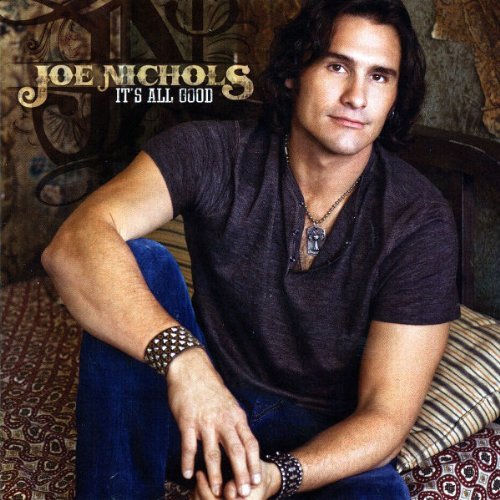
 View Artist