Song Meaning
The lyrics to "The Best I Can Do" lay out a series of promises, but each one comes with a stark, immediate condition. It's a candid confession of limited capacity, not a grand declaration. The speaker offers commitment, yet consistently grounds it in personal fears and external realities. This creates a deeply human, almost hesitant form of devotion.
The core tension here lies in the speaker's desire to offer unwavering support against their honest acknowledgment of personal limitations. Phrases like "If I don't get too scared" immediately pull back from idealized romantic pledges. The narrator appears to wrestle with the gap between what they *want* to give and what they *realistically can* provide, creating a poignant sense of internal conflict.
The lyrical craft hinges on a consistent "I'll... if..." structure, which becomes a powerful rhetorical device. Each promise, from "I'll try to protect you" to "I'll love you forever," is immediately qualified by a vulnerability or a boundary. This repetitive pattern underscores the speaker's self-awareness, transforming what could be a simple love song into a nuanced exploration of conditional commitment. The stark contrast between the hopeful "I'll" and the restrictive "if" is what makes these lines hit so hard.
What makes these lyrics so effective is their unflinching realism. They eschew the typical romantic fantasy for a more grounded, relatable truth: love often comes with caveats. The repeated refrain, "best I can do," isn't an apology but a statement of earnest effort within acknowledged constraints. It's a powerful statement about accepting imperfect love, both from oneself and from another, making the commitment feel more genuine precisely because it's not absolute.
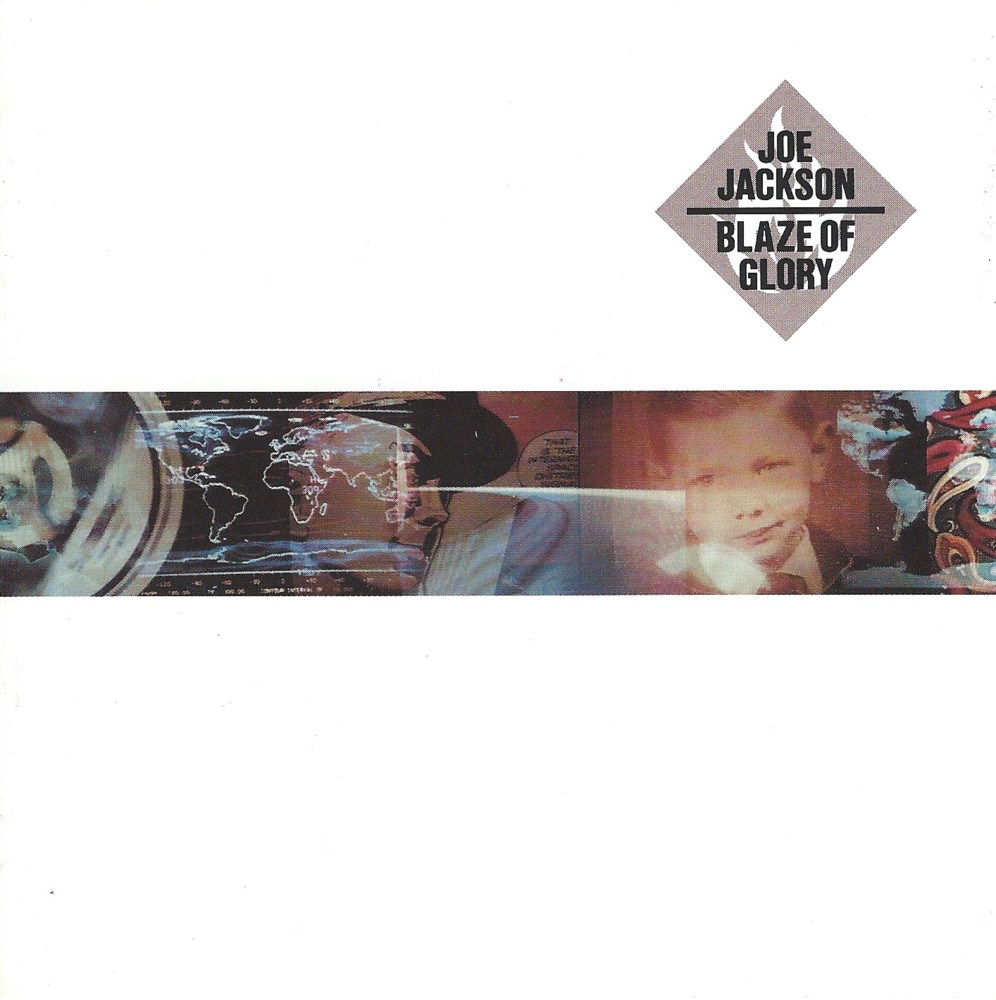
 View Artist