Song Meaning
The lyrics paint a stark picture of a chance encounter, opening with a narrator feeling stripped bare after being robbed. There's a raw, immediate vulnerability as they confess to a stranger, "taken for everything I had." The initial mood is one of shared grievance, a hope for solidarity in misfortune, but that quickly dissolves.
The central tension ignies when the stranger, far from offering sympathy, reveals a chilling perspective. The narrator's plight is met not with empathy, but with a boast: "Don't knock it, sonny, that's the way I started out." This twist flips the expected narrative, revealing the stranger as someone who profited from the very kind of crime that victimized the narrator. The casual dismissal of the narrator's pain is underscored by the stranger's material success – "a nice suit," "a nice car."
The most striking element is the stark contrast between the narrator's loss and the stranger's gain, framed by the repeated, almost taunting, refrain: "Don't tell me that crime don't pay." The stranger's smug certainty, delivered with a simple "Okay?" at the end, highlights a cynical worldview where illicit gains are simply a path to prosperity. The lyrics suggest a world where the victim's suffering is irrelevant to the perpetrator's success.
This exchange hits hard because it exposes a harsh reality: the disconnect between perceived justice and actual outcomes. The narrator’s initial plea for something to be done about crime is met with a brutal, self-serving justification. The effectiveness lies in this abrupt confrontation with a worldview that celebrates the spoils of crime, leaving the listener with a lingering sense of unease and the bitter taste of injustice.
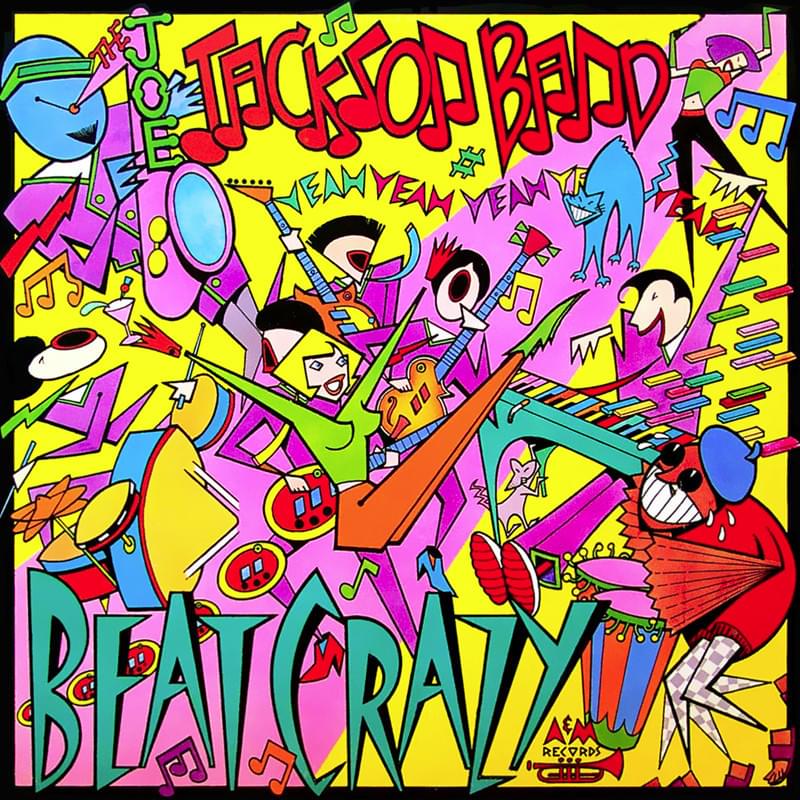
 View Artist